

Belonging in More Than One City as a GU-Q Student
By Aras Karlidag (GU-Q’26), a senior student at Georgetown University in Qatar.
When I first applied to university, I didn’t imagine myself ending up on a Middle East campus. Like many students my age, graduating from an American school in Turkey, my idea of “college life” was shaped by American cities, American campuses, and the kind of cultural familiarity that comes from growing up under the influence of U.S. soft power. In my final year of high school, I didn’t even know international branch campuses were really a thing, even for the most impressive schools in the U.S. that my friends and I dreamed about. So when Georgetown University in Qatar entered the picture, it wasn’t what I had initially imagined, for example in my sophomore year while I was just starting my research about college options, but it turned out to be exactly what I needed.
Coming to Doha was my first real encounter with the region. Despite having traveled widely, Qatar felt new, unfamiliar, and at times challenging with its summer heat. Belonging didn’t happen overnight and definitely not until the end of my first year. But slowly, and very genuinely, Doha grew on me. It’s an incredibly comfortable city to live in: clean, safe, affordable, international, and quietly welcoming. It offers everything at once, including beaches and museums, calm family life and vibrant social scenes day and night, world-class facilities and a strong sense of culture. It’s a place you can imagine living in at almost any stage of your life. And before I knew it, Doha stopped feeling temporary, feeling unexpectedly like another home.
Still, there was one curiosity I carried with me: what about college life in the United States, the very thing I had imagined for so long?
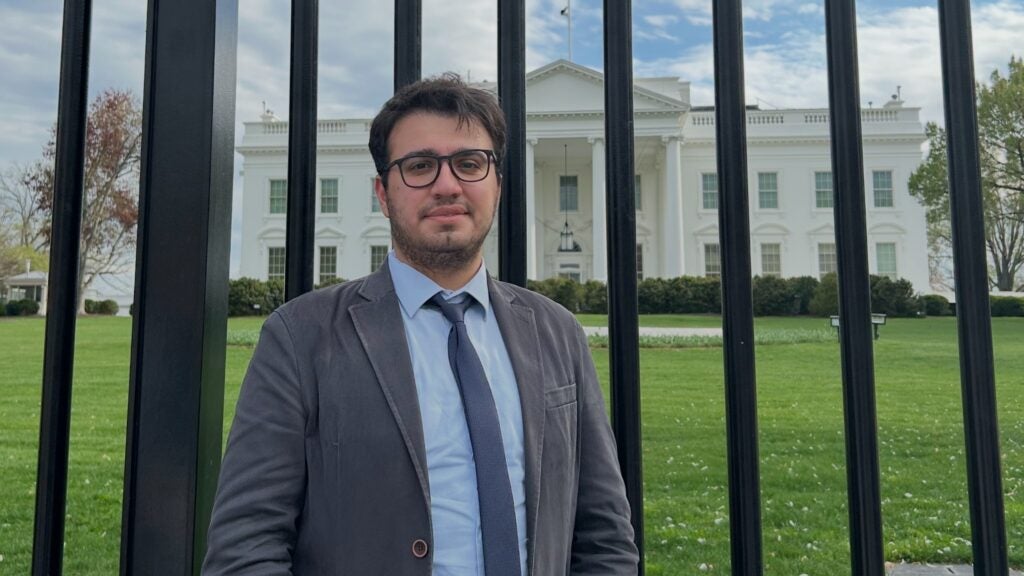
Thus, while most of us go on to study abroad in our junior or senior years, I went earlier. Thanks to advanced credits, I spent my sophomore fall semester at Georgetown’s main campus in Washington, DC. I arrived with a completely different cohort there, built new friendships, and experienced the university from another angle. And something clicked almost immediately. DC felt different from any American city I had been to before. No skyscrapers. A European rhythm, especially in our dear Georgetown neighborhood. A city with intellectual gravity. Everyone around you seems to be studying and holding graduate degrees, constantly researching, or shaping policy, and that energy pulls you in.
I loved DC not just as a student, but as a future version of myself. If not Doha or Ankara, it’s where I can imagine working one day, perhaps in diplomacy, policy, or international organizations. When my semester ended and I returned to Doha, my connection to DC didn’t disappear. If anything, it deepened. I kept finding reasons to go back: for competitions like the Jessup Moot Court, where my team represented Qatar in the international finals last year and is set to do it again this semester, for breaks, for short visits squeezed into longer trips. Every time, there were familiar faces waiting: friends from GU-Q that kept doing their semester abroad just like I did, friends from the main campus, people from different batches and campuses who all somehow shared the same sense of belonging to DC.
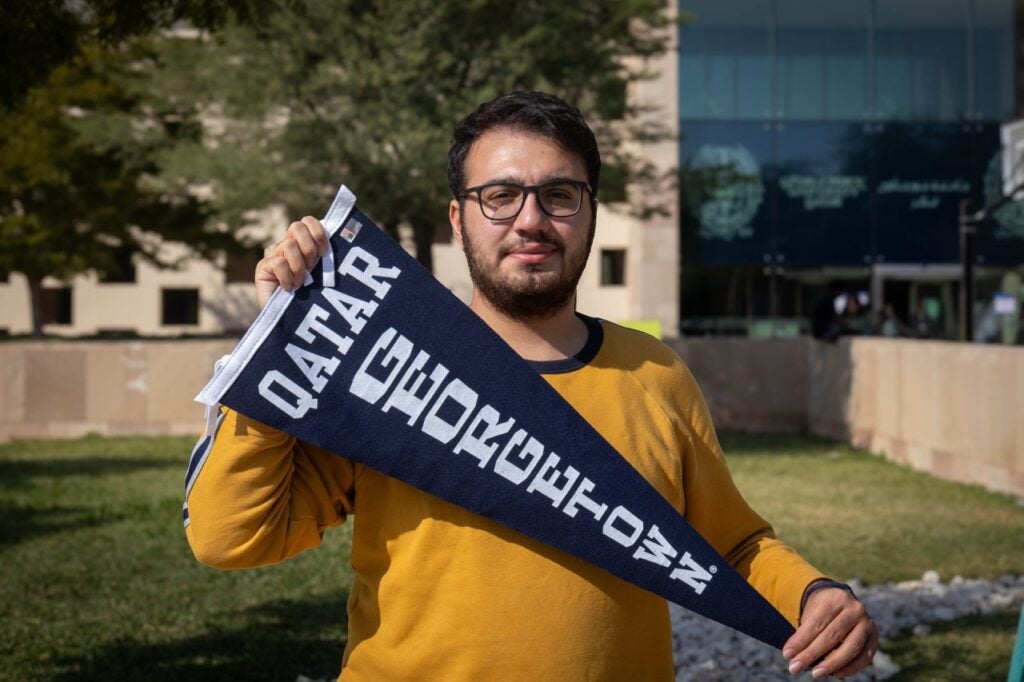
To me, that’s the unique magic of being a Georgetown student in Qatar. You don’t belong to just one place. You belong to Doha and to DC. And if you study abroad elsewhere, you carry that sense of home with you too. Georgetown doesn’t ask you to choose between identities or cities. You eventually belong and carry them with you.
And once you learn how to do that, every return feels less like arriving somewhere new, and more like coming back home. I have two planned DC trips this semester due to trips and competitions, and I feel equally excited about going there and coming back to Doha, especially given my final semester at college. After all, they are both my home away from home.
“The posts and comments on this blog are the views and opinions of the author(s). Posts and comments are the sole responsibility of the authors. They do not represent the views, opinions or policies of the University.”