

I Got Rejected 68 Times in One Semester: Why Showing Up Changed Everything
By Hassan Amin, Junior at GU-Q majoring in International Economics. He speaks English, Urdu, and Punjabi. For the Desert Hoya Blog, he shares his journey leading GU-Q’s largest career development club.
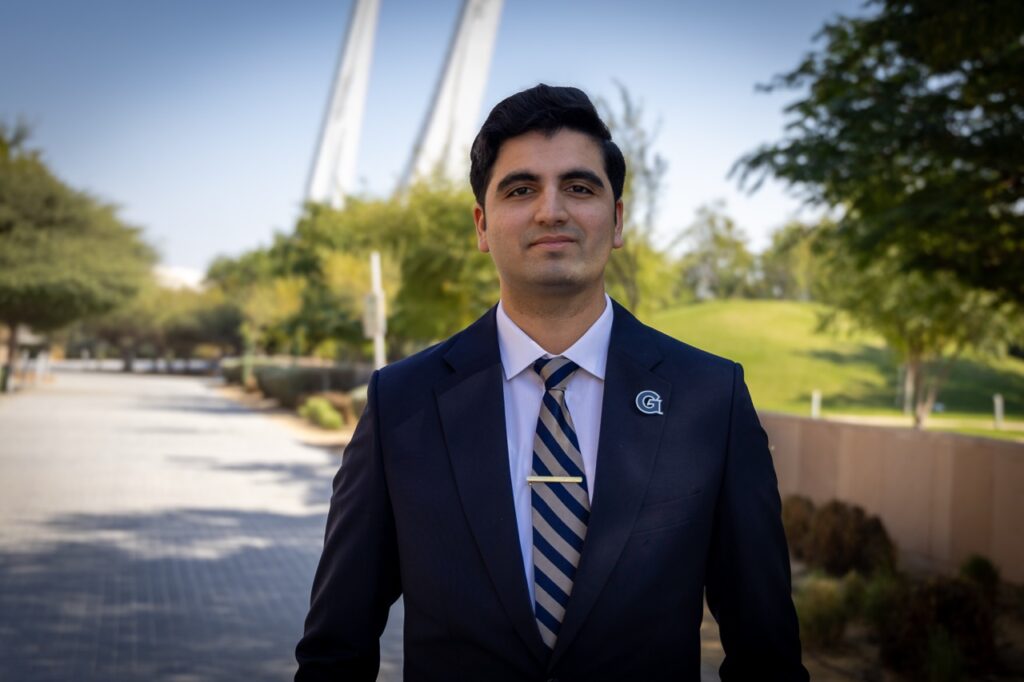
I got rejected 68 times in one semester. Sixty-eight. I kept applying to on-campus jobs at our main campus in DC during my study abroad, and the responses were always the same: silence, or a polite “thank you for your interest.” Then there were the big ones—PwC, Bain, BCG—all rejections in my first year when I applied for internships. I remember sitting there thinking, “Maybe I should do something else. Maybe consulting isn’t for me.”
But here’s the thing about rejection: it only matters if you let it define you.
One day, I’m sleeping in my bed in when my phone rings. It’s Sara, a recruiter from PwC. “Congratulations, Hassan. You’ve been accepted into our summer internship program.” I jumped out of bed so fast I almost fell. That moment, that single phone call, came after a year of intentional growth, relentless applications, and refusing to take no as a final answer. When people see my resume now they might think it was a straight path but the reality is that it wasn’t. Between the rejections and the acceptances was a decision: I could either give up, or I could treat rejection as part of the process.
I chose the latter. For me, applying became a task, not an emotional event. I wanted experience, and I believed that putting myself out there as much as possible was the only way to create opportunities. Rejections didn’t matter at the end of the day—what mattered was that I kept showing up and after that first wave of rejections from consulting firms, I didn’t stop. I enrolled in PwC’s ElevateME (mentorship) program, which helped me network and understand what firms actually look for in candidates. I practiced existing skills and developed new ones, MECE (Mutually Exclusive and Collectively Exhausting) frameworks, structured problem-solving, the kind of tools consultants use every day. I showed up to mock interviews at GU-Q’s career fairs and practiced with real recruiters. I attended every consulting club info session I could, meeting people from firms and getting affirmation that I was built for this work.
A senior once asked me during orientation week, “Why do you go to events?” My answer was simple: “I don’t need a reason. I will go to all of them.” For me, it’s never either-or. It’s always and.
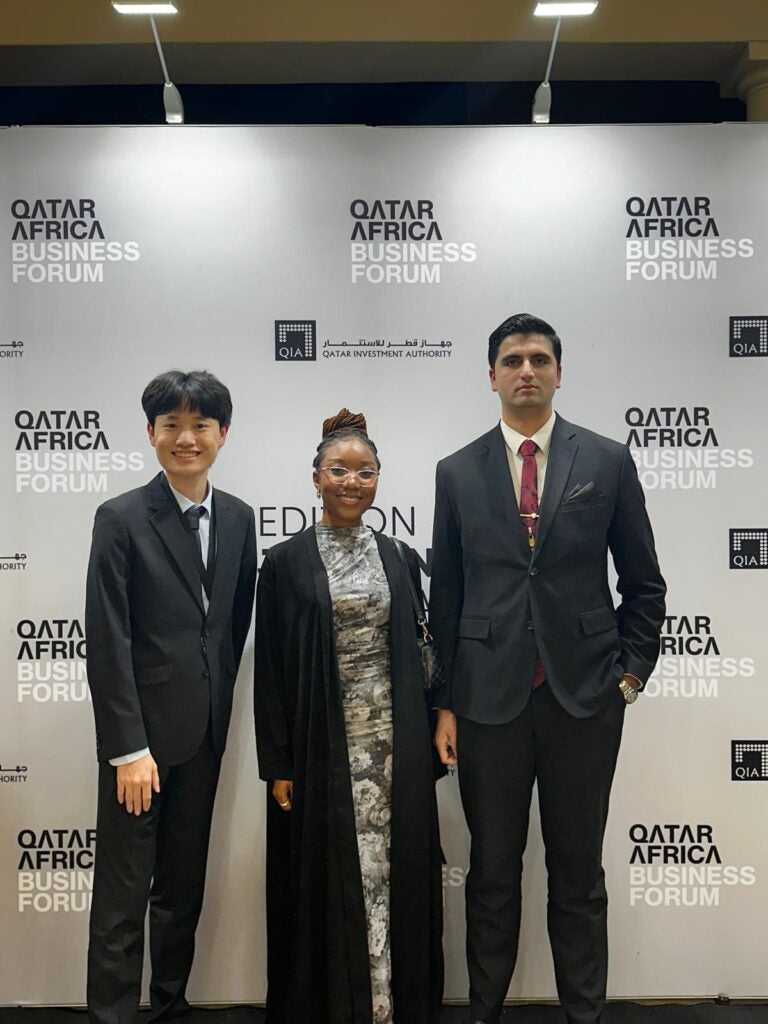
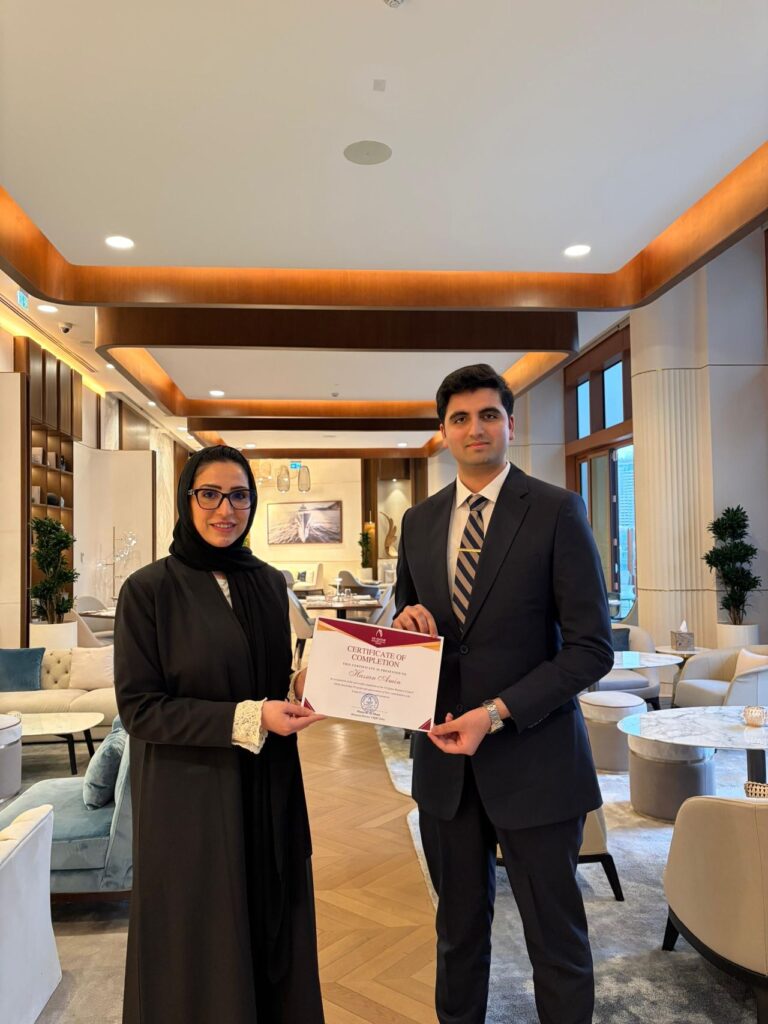
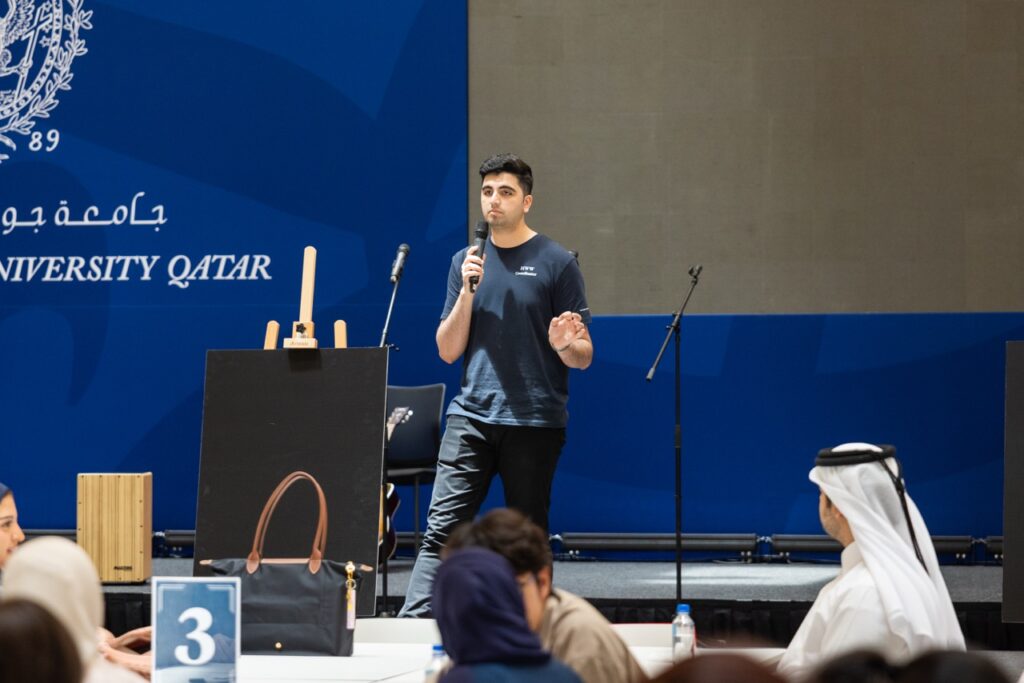
I won’t pretend the journey is easy. Managing a full course load, three campus roles, a remote internship, and leadership positions is hard. There have been moments where I have felt stretched too thin, like when I was coordinating Hoya Welcome Week (HWW) for the Class of 2029 and watching the clock hit 6:30 PM with no one at our cultural night event. My heart was racing. But then students started arriving, performances began, and by the end of the night, nearly 100 new students had engaged in one of the highlights of the week and I couldn’t have done any of this without the people who believed in me. My mentors at Georgetown, my manager at PwC, my family and that one friend, without them I wouldn’t be where I am today.
Here’s what I’d tell my freshman self, or anyone who just got their first rejection email: It’s their loss. And if that statement doesn’t resonate with you yet, work harder to make it true.
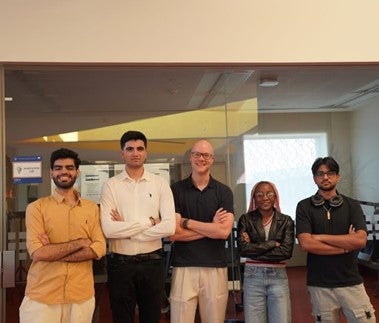
GU-Q has countless opportunities—career fairs, info sessions, student organizations, mentorship programs—but you have to be motivated to go after all of them and persistent to not get disheartened by the rejections. The road will feel impossible at times. You’ll apply to dozens of positions and never hear back. But if you keep showing up, building skills, and refusing to settle, you’ll find people who support you.
And one day, you’ll get that phone call. You’ll jump out of bed. You might almost fall. But you’ll realize that every rejection was just practice for the moment you finally heard yes.
“The posts and comments on this blog are the views and opinions of the author(s). Posts and comments are the sole responsibility of the authors. They do not represent the views, opinions or policies of the University.”