
Healing Anti-Blackness: In Fiery Speech Ambassador Arikana Chihombori-Quao Calls for Collective Action
The auditorium fills in a hush the way lungs do before something difficult is said.
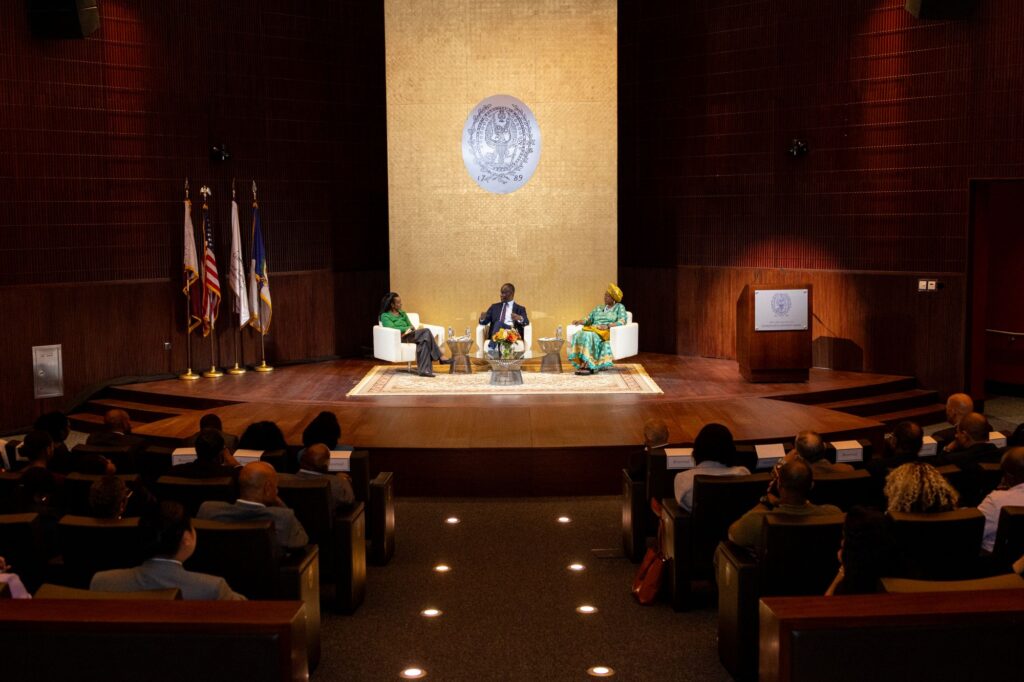
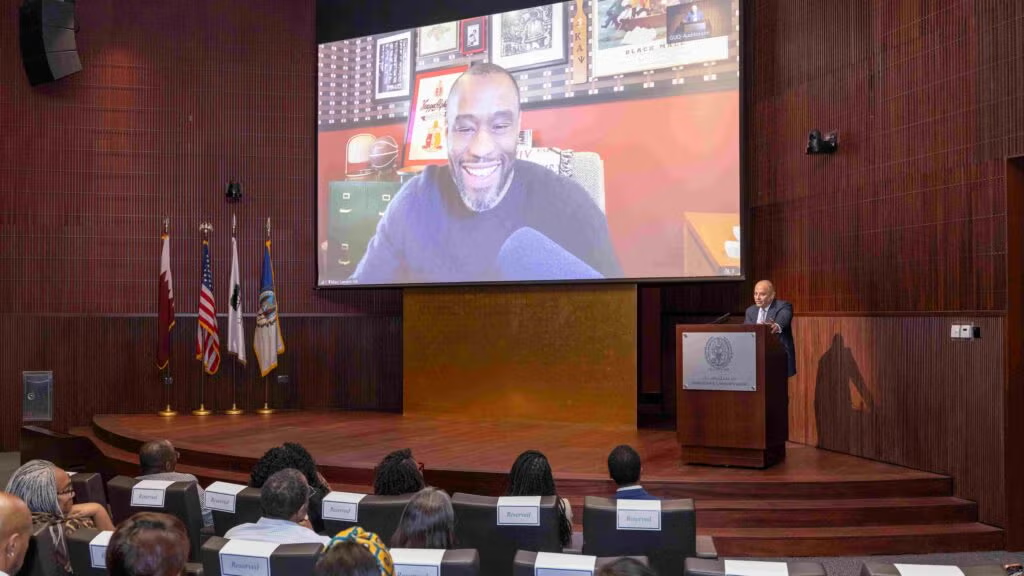
It is February in Doha. Inside Georgetown University in Qatar, a centennial Black History Month has drawn students, diplomats, and dreamers into the same room.
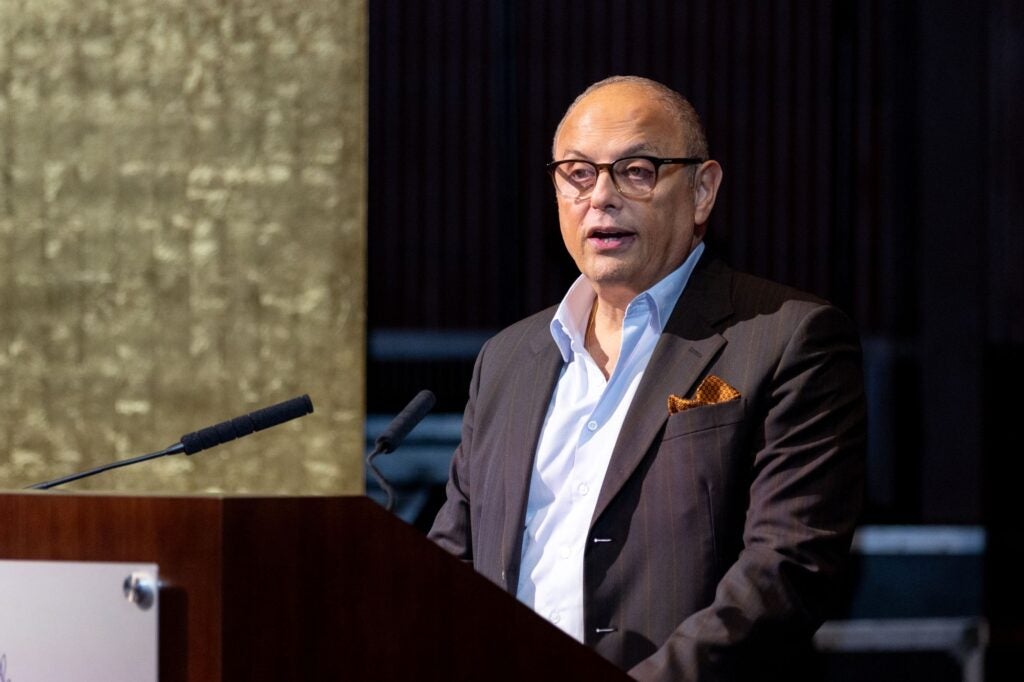
Dean Safwan Masri opens with a charge: “Black History Month, particularly at this centennial moment, cannot be reduced to ritual commemoration. It is a period of collective reflection and collective responsibility. It expands the moral imagination of all who seek a more just world.”
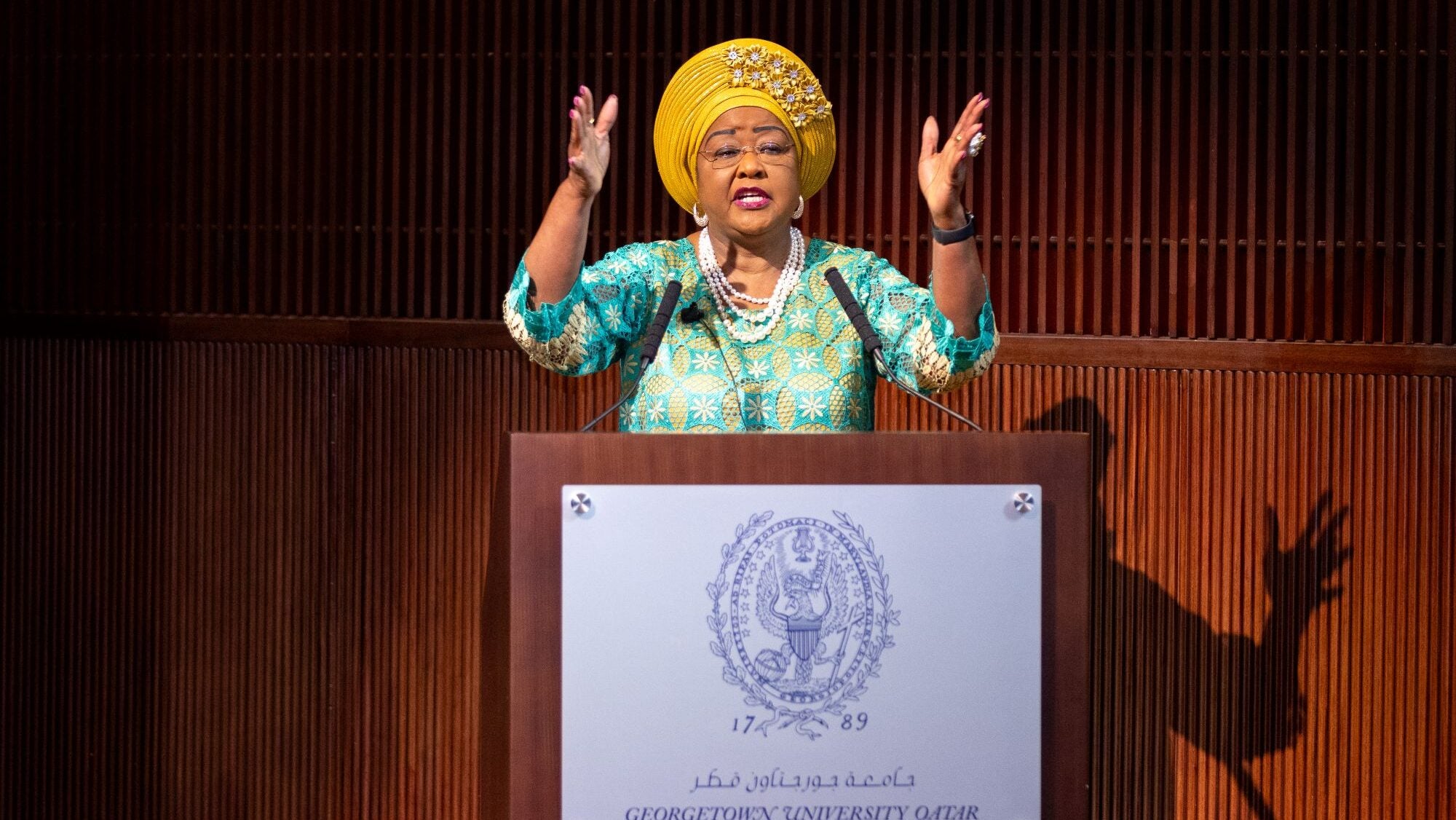
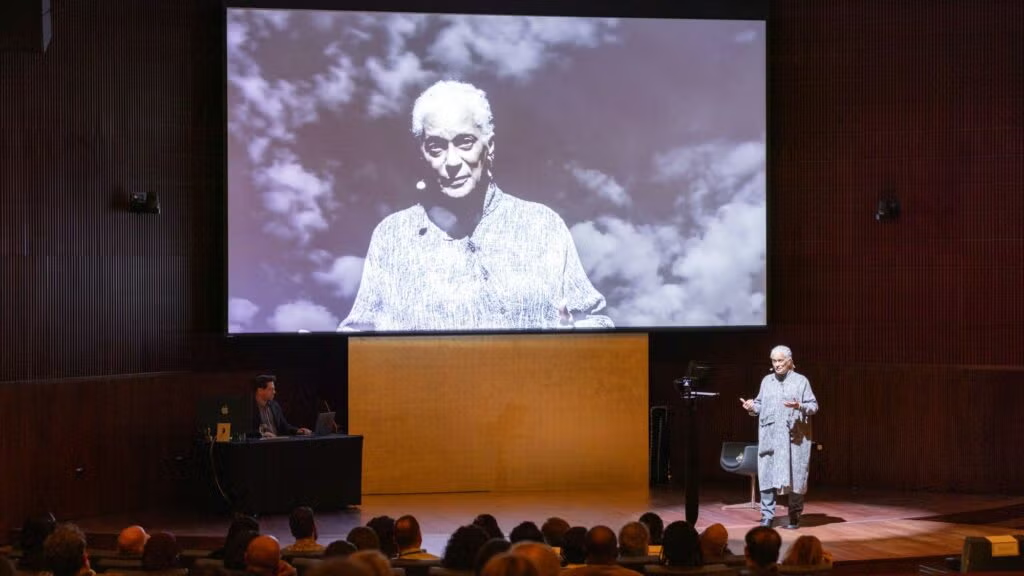
Then H.E. Ambassador Dr. Arikana Chihombori-Quao steps forward and her presence fills the room with the powerful provocation: “We as Black people have not reached the promised land. We must ask ourselves as Black people, why is it that as Black people, our status is what it is?”
Her voice rings with authority as a leader in Zimbabwe and the United States, a medical doctor, a former African Union Ambassador, and author of Africa 101: The Wake Up Call. Taking the tone of a matriarch and professor she begins: “You must understand that history, because that history is the reason why you think the way you do.”
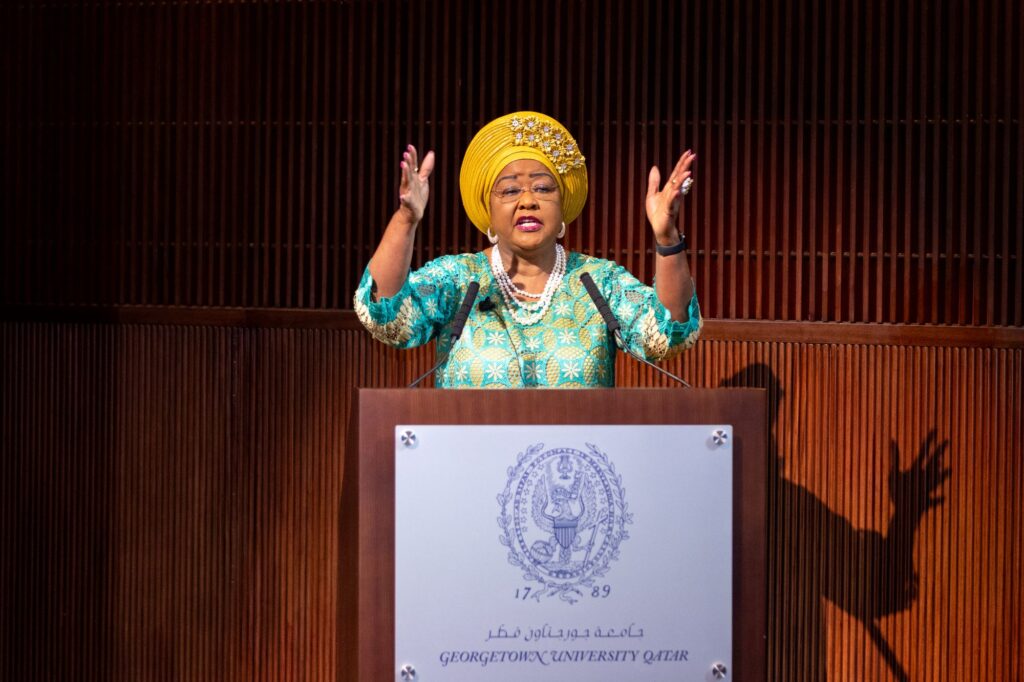
She walks the room through five forces that dismantled Black identity: religious brainwashing that recast Blackness as inferior; the transatlantic slave trade that severed people from their roots; the Berlin Conference of 1884–85 that deliberately fragmented Africa into linguistically divided, economically weak states; post-war institutions like the IMF and World Bank that rebuild Europe through African extraction; and the ongoing failure to recognize these systems and unite against them.
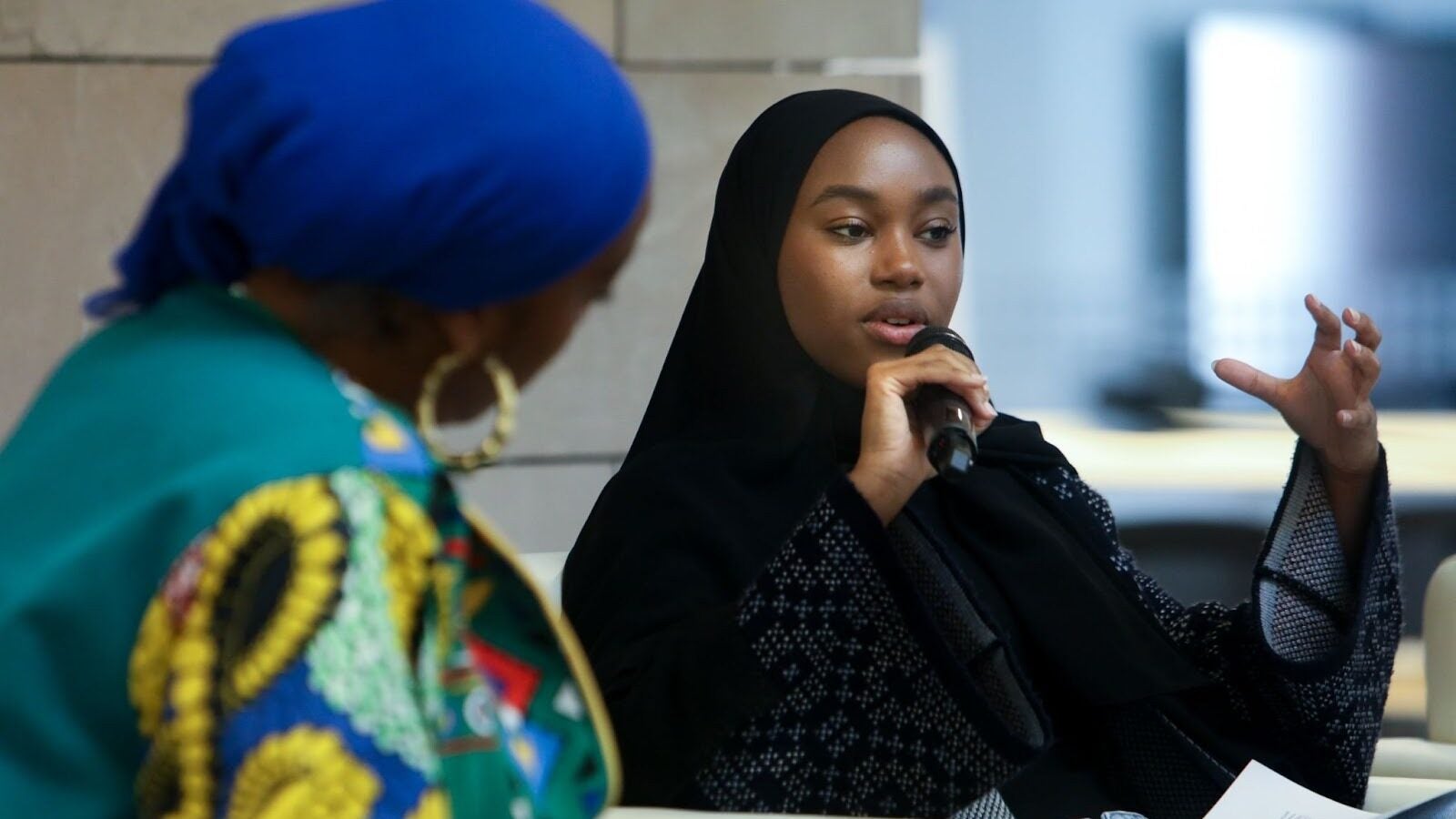
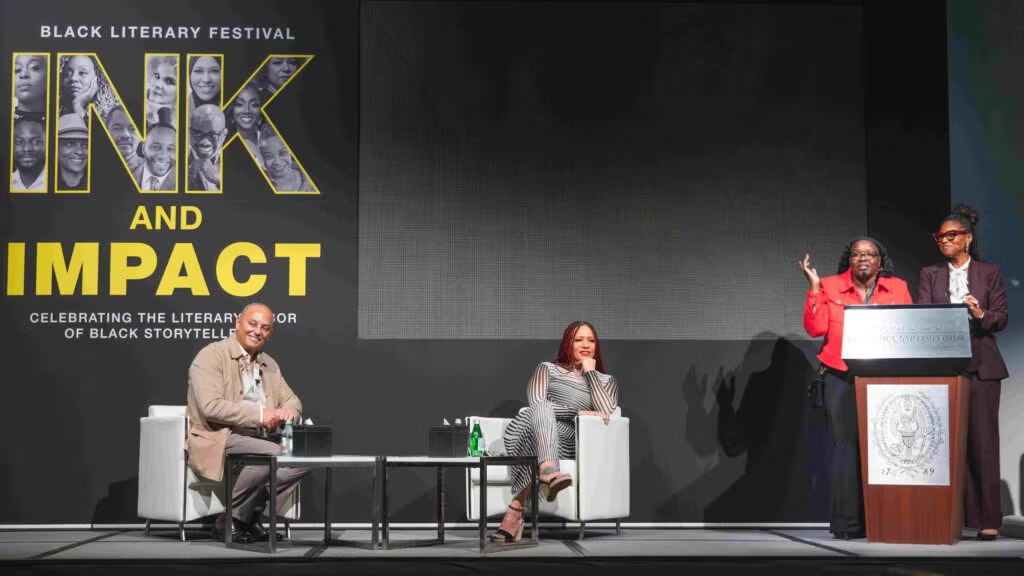
After the keynote, she sits on stage with former U.S. Ambassador Timmy Davis, and journalist and Practitioner-in-Residence Nesrine Malik to unpack what she means. They discuss black identity and challenge each other’s definitions. They share stories and answer audience questions, encouraging reflection on what it means to be black in diverse spaces from the highest echelons of politics to the local coffee shop. They reflect on what can be done today to continue to fight for personal and collective freedom.
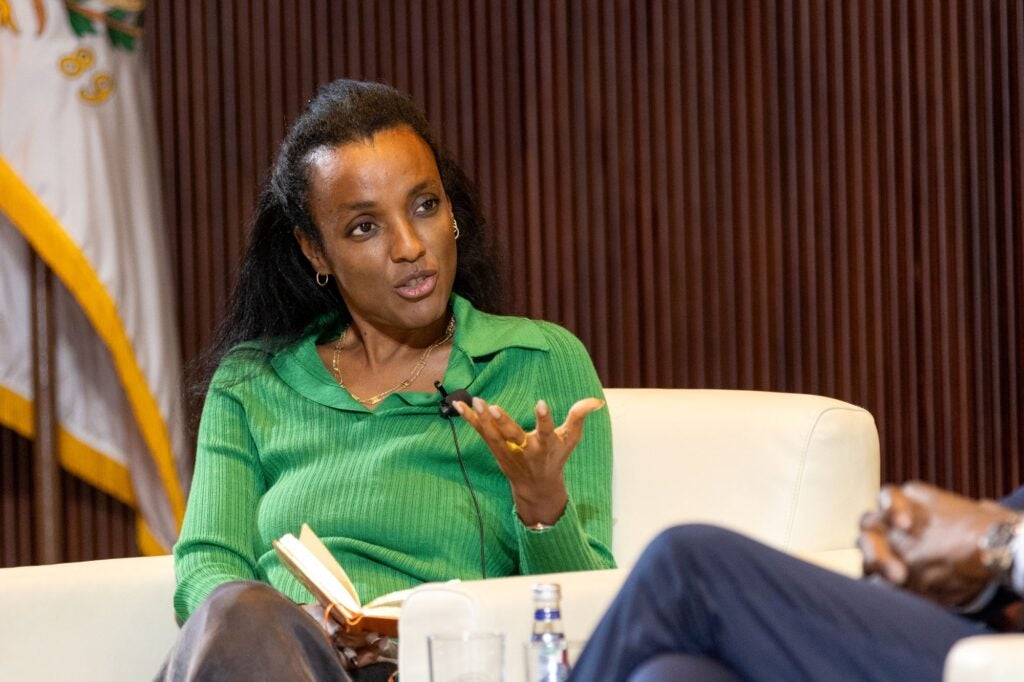
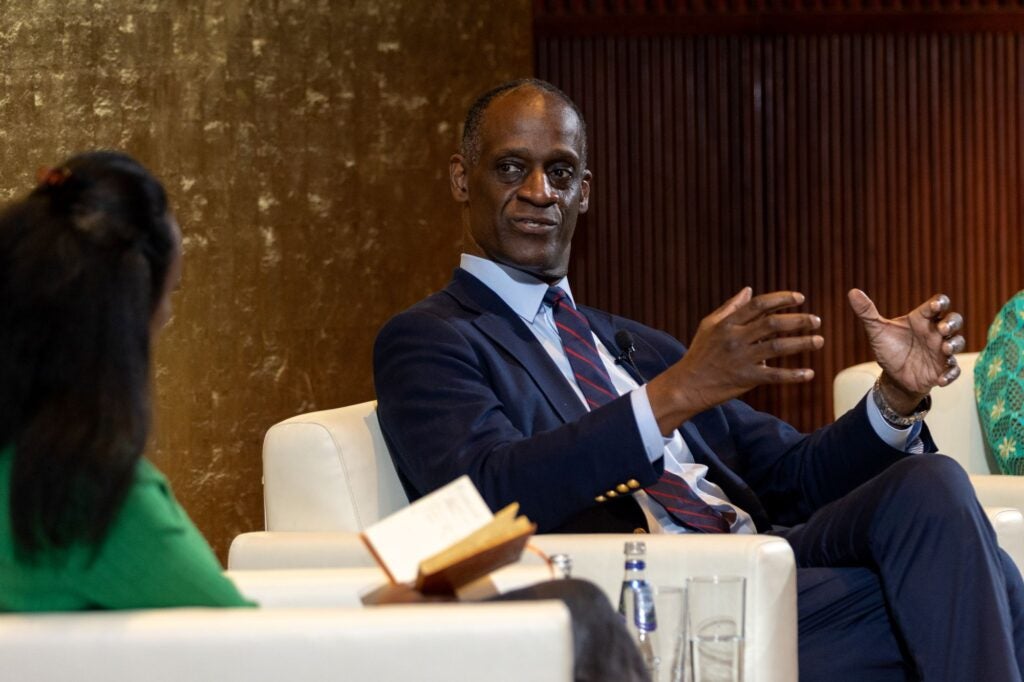
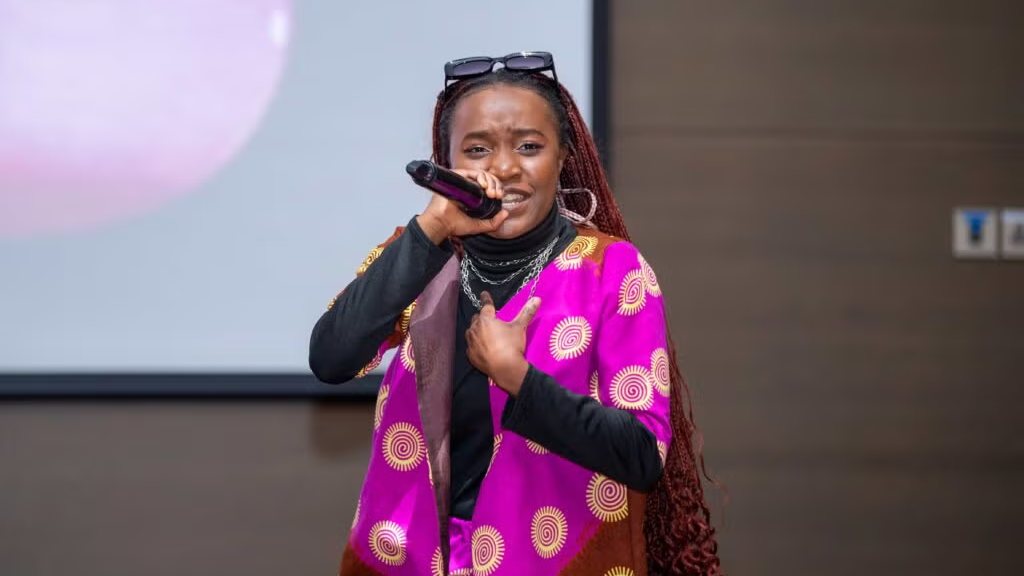
“This was tremendous, and it was needed,” concluded Dr. Amy Walker in her closing remarks. A Psychological Counselor and Inclusion Programming Lead at GU-Q, Dr. Walker highlighted the collective effort of faculty, staff and students at GU-Q that made the Black History Month programming come to life. And as the crowd applauded after the stirring conversation, the sounds of Africa drums rose too, beckoning into the atrium to attend an immersive showcase on the art and culture of Ghana.

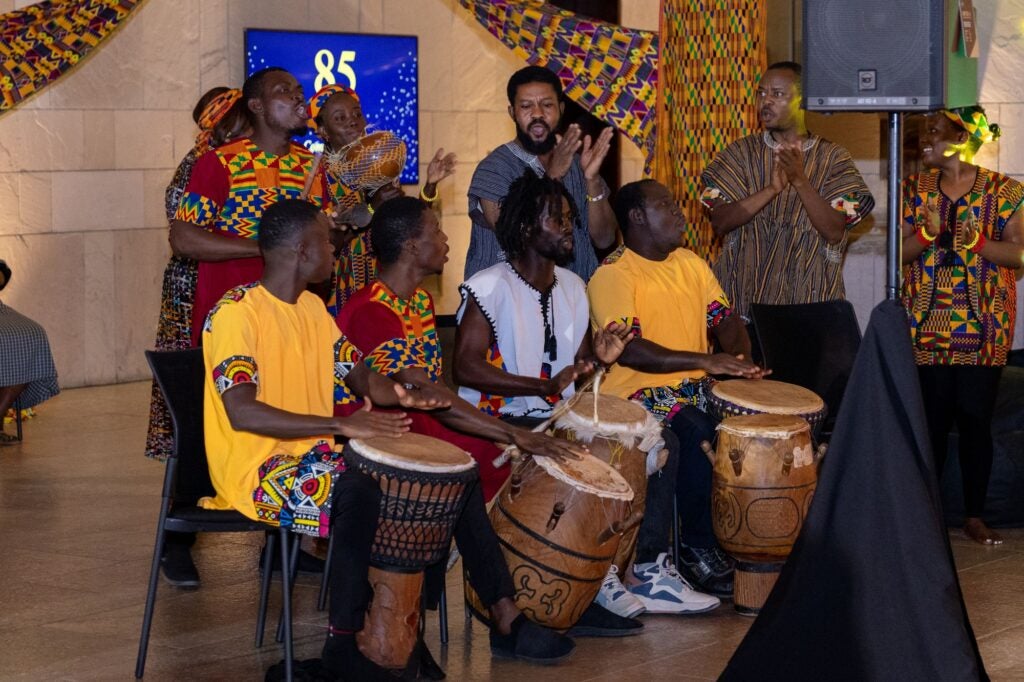
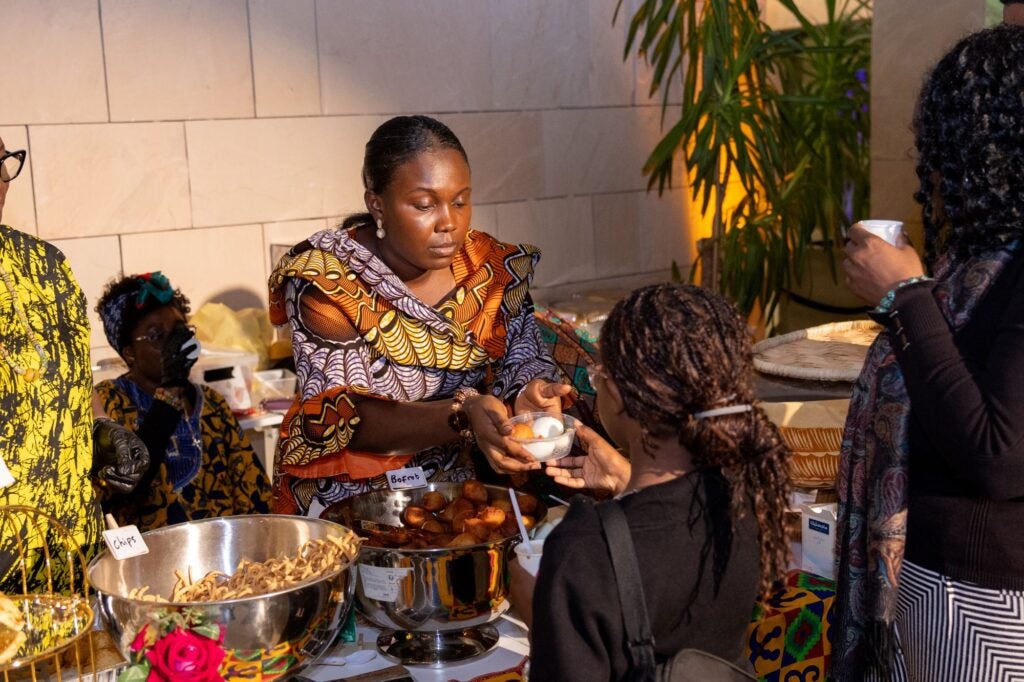
Amid dancing and song, rich foods and colorfully printed fabrics, the community lifted their voices once more, this time to celebrate one of the many rich cultural traditions of Africa. As the atrium swelled with sound, reassurance settled. Even though anti-blackness still persists everywhere in the world, so does hope, and so does the spirit of inquiry, reflection, determination and collective joy that fills the room.
Other Black History Month Stories
In honor of Black History Month, we celebrate the many contributions of our Black students, alumni, faculty, and staff to our community and society, and recognize the broad range of teaching, scholarship, and advocacy at Georgetown aimed at advancing Black heritage and history.