
Mamie McCreary on her Black Identity and Celebrating Black History in Qatar
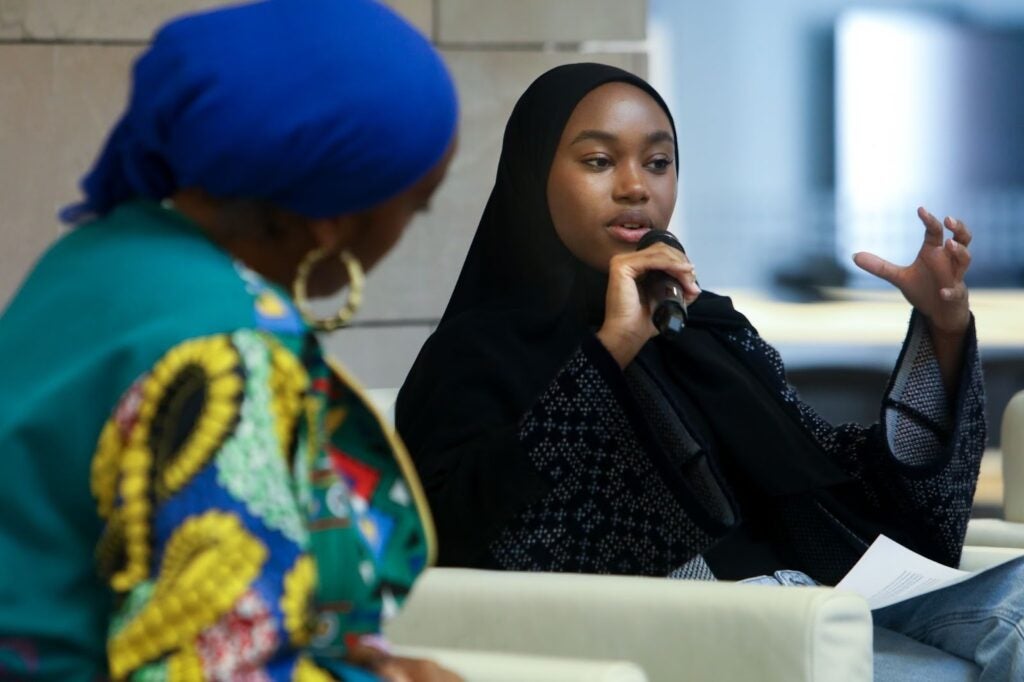
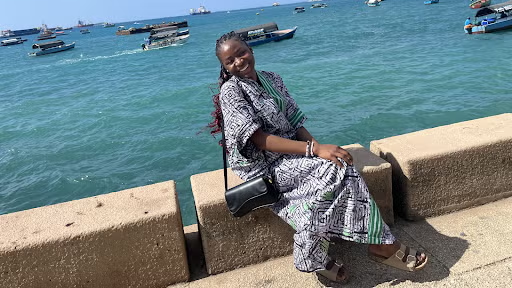
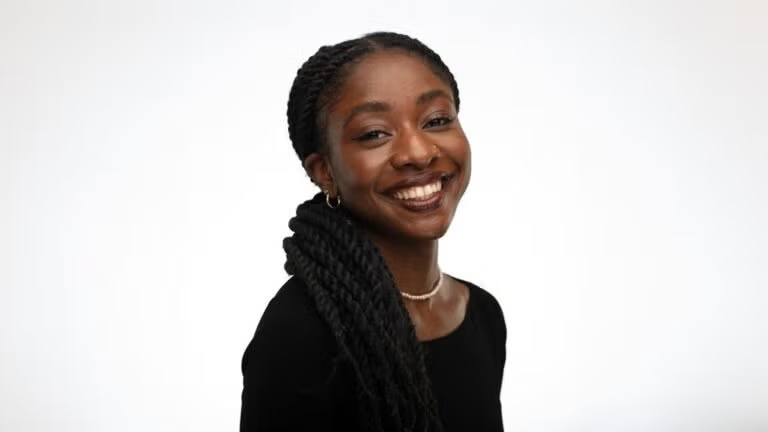
Mamie McCreary is a junior at Georgetown University Qatar, majoring in International Politics with a minor in Arabic. Half Sudanese and half African American, Mamie was born and raised in Qatar. In this interview, she reflects on the importance of celebrating Black History Month at Georgetown, and what that means in Qatar.
Q: Why does celebrating Black History Month at GU-Q matter?
Black History Month programming at GU-Q is necessary for a number of reasons. Georgetown’s history shows us that as an institution, it was able to thrive through the transaction and sale of 272 enslaved people to help pay its debts. Not celebrating Black History Month and acknowledging the major contributions of African Americans and the African diaspora would be a major disservice.
Secondly, there are many preconceptions of the “Black” experience in general, from the African diaspora around the world to students who are coming to Georgetown directly from the continent. GU-Q is incredibly diverse in terms of culture, worldview, and experience, and yet we are still incredibly connected. Celebrating Black History Month demonstrates the appreciation of the inventions, thoughts, and contributions that Black people have had, which are typically overlooked.
Q. Do you identify as “Black?” Are there certain nuances to the word here in the Gulf that may not be the case in America, Europe, or Africa?
Yes, I certainly am Black. I grew up with an African American father who instilled in me the importance of what that means in the context of our family’s experience in America. Thus, identifying as Black isn’t only our truth but also a sense of pride.
There are, however, many nuances to the term Black. In the American context, it means having a trace of African blood, whether you are descended from slaves or otherwise. However, this would differ in the South African context, for example, where the term Black is replaced with the term “colored” person. Different terms, different mix of nationalities, different experiences of oppression.
Q: What kinds of activities at GU-Q have allowed you to explore your interest in Black history and culture?
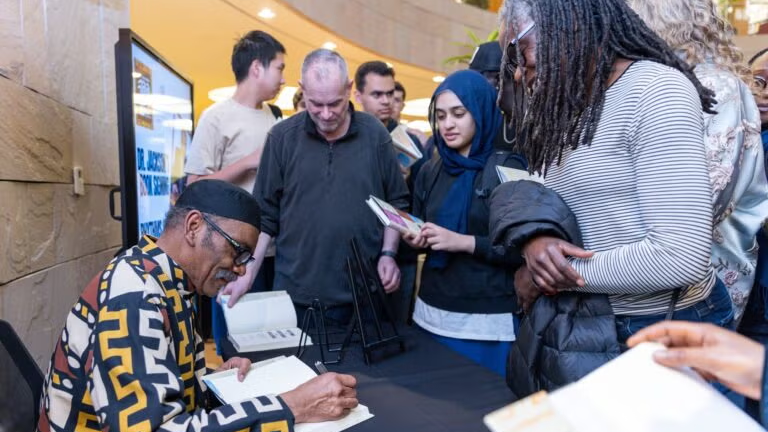
The African Students’ Association has allowed me to connect with people from all over Africa as well as non-Africans, and has given us a space to appreciate Black culture. I also took Professor Maurice Jackson’s class on African Americans and Islam, which explored the deep impact that Islam had on African Americans.
Q: What other Black History Month activities have you participated in this or previous years?
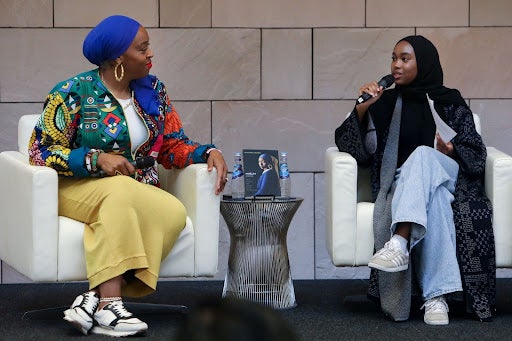
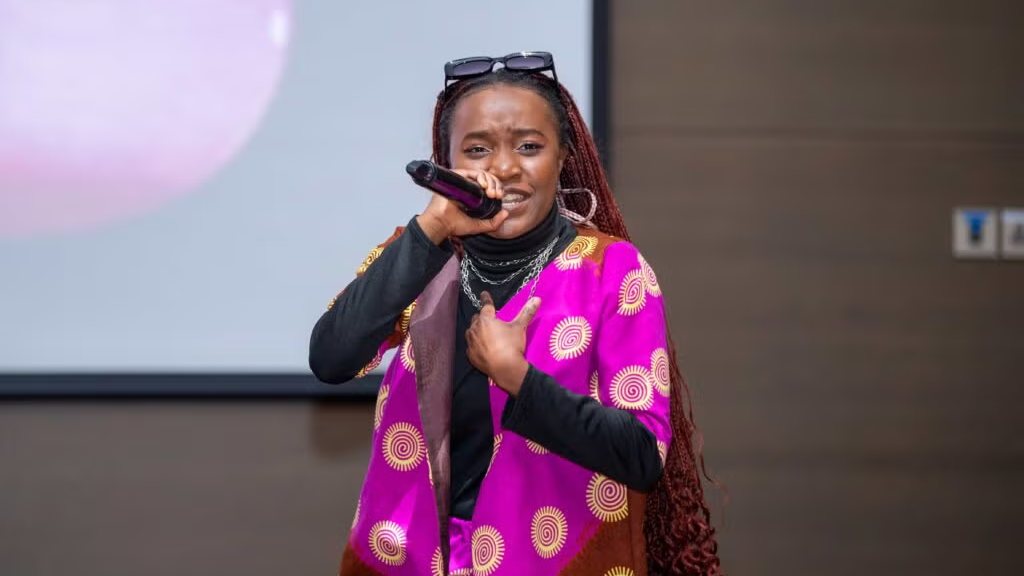
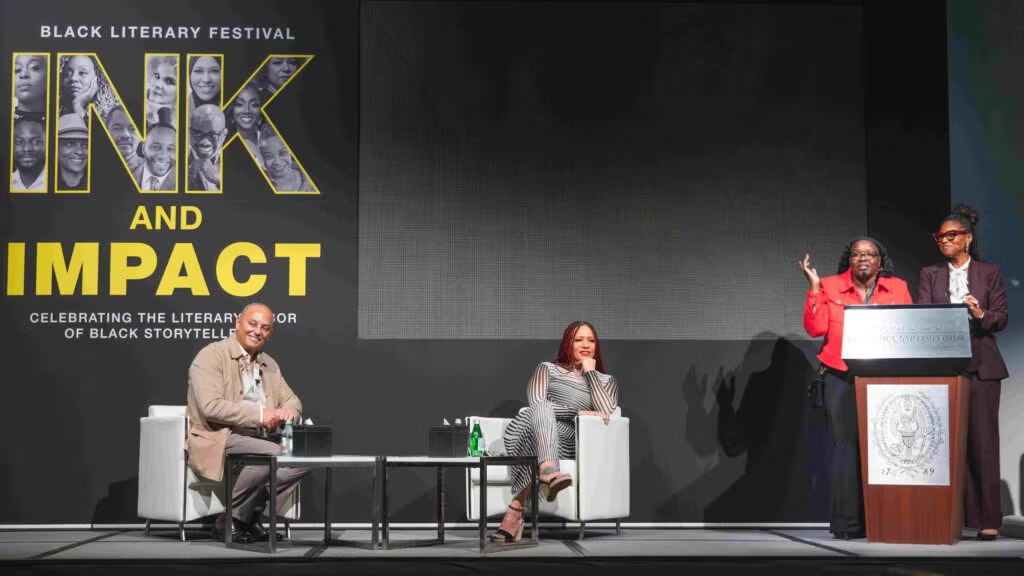
I was previously one of the student representatives on the Black History Month committee in my sophomore year. I moderated a talk with Dr. Su’ad Abdul Khabeer on her family’s history and literary contributions, which was an incredibly fascinating talk.
Mamie with Dr. Abdul Khabeer, scholar-artist-activist, University of Michigan, author of Muslim Cool: Race, Religion and Hip Hop in the United States
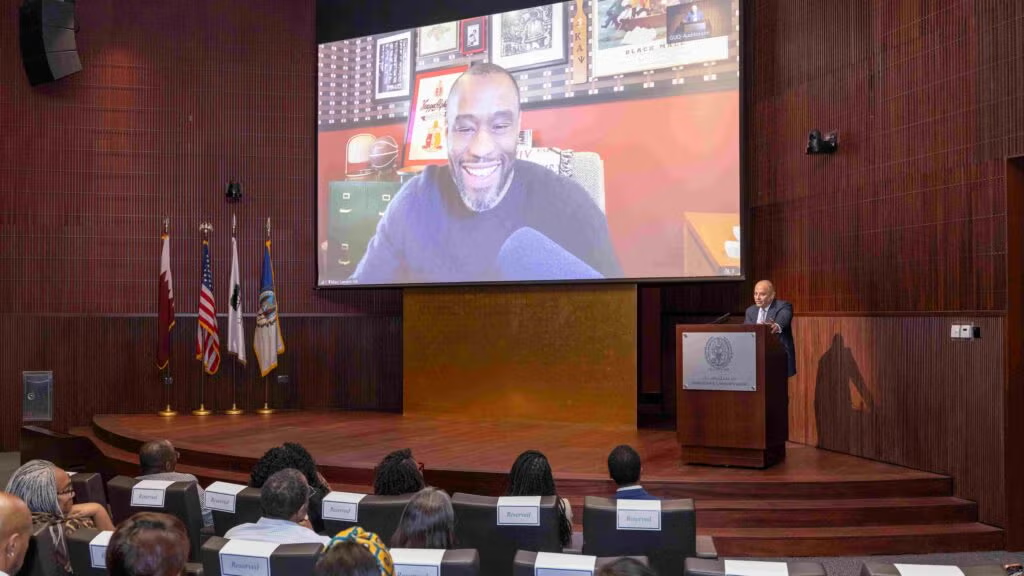
This year, I am a program assistant for Dr. Amy Walker, Inclusion Programming Lead, and I helped organize the month’s activities. I also introduced the speakers of an interfaith dialogue called “Faith Forward: Exploring Faith Foundations in African Diasporic Communities.” It was interesting to hear professors and scholars from each Abrahamic tradition discussing how religion had an impact on Black people and Africans, and how religion can be a site of refuge against oppression and discrimination. I am also participating in a GU-Q trip to Ghana during spring break in honor of the Black History Month centennial.
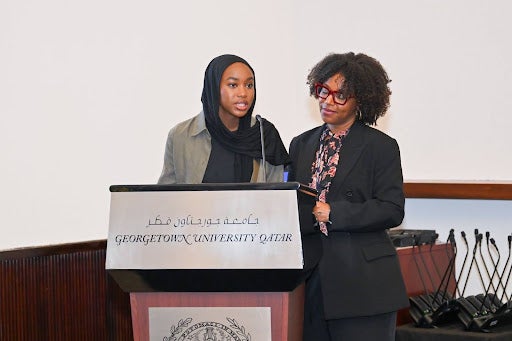
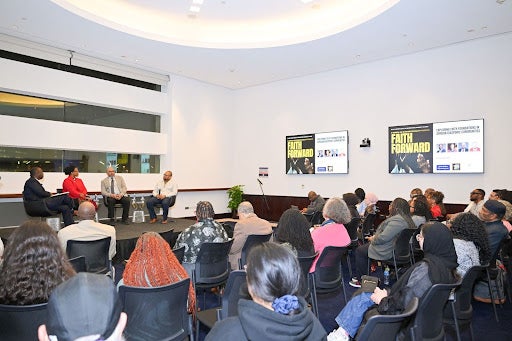
Mamie introducing “Faith Forward” panelists with Dr. Walker
Q: What should prospective “Black” students know about studying at GU-Q?
You have your people here, and being immersed in an international setting makes it all the more fulfilling.
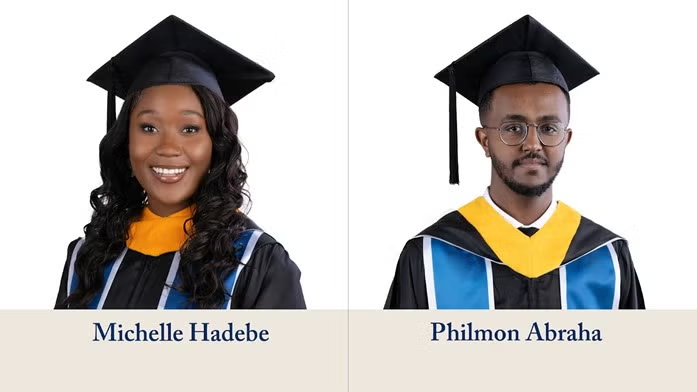
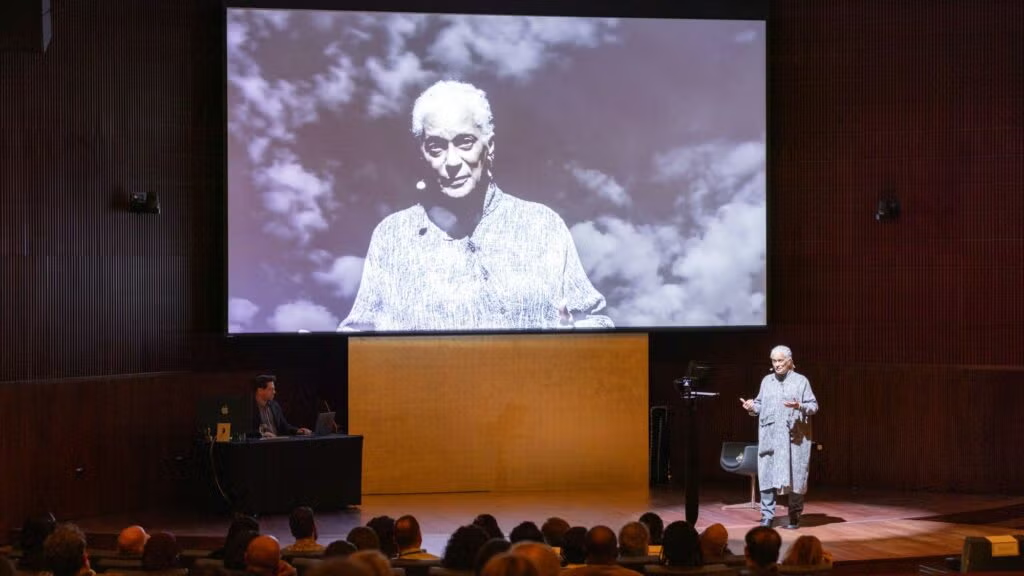
Other Black History Month Stories
In honor of Black History Month, we celebrate the many contributions of our Black students, alumni, faculty, and staff to our community and society, and recognize the broad range of teaching, scholarship, and advocacy at Georgetown aimed at advancing Black heritage and history.