

Earth Commons Collaboration
Georgetown’s Earth Commons Institute for Environment & Sustainability and GU-Q are collaborating to expand environmental education, research, and action between Doha,Washington, DC, and other global initiatives. GU-Q offers a hub focused on the Gulf and broader regions, accelerating positive change.
Impact Snapshot
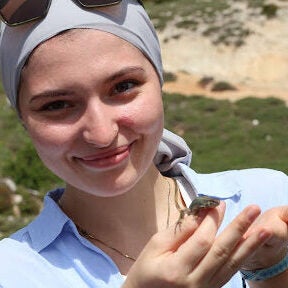
Academics
Immersive field courses developed in Qatar, Indonesia, and Greece.
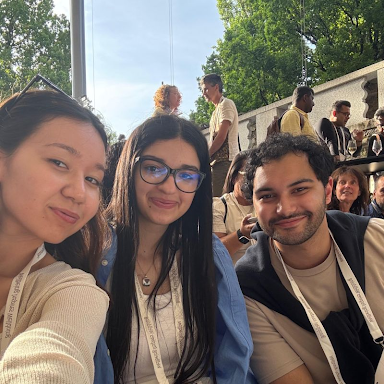
Fellows
Fellowships and internships driving interest in sustainability.
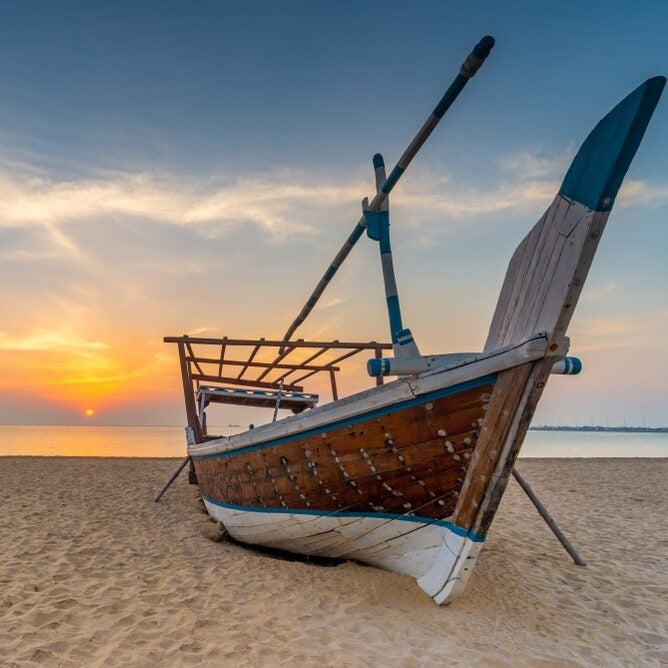
Research
Active research projects on water, air, ecosystems, and energy in the region.
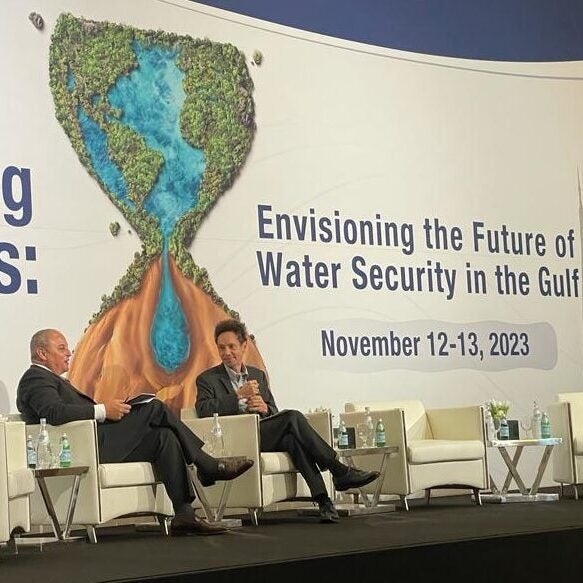
Thought Leadership
Thought leadership at major global events and local conferences.
Welcome Message from Collaboration Lead
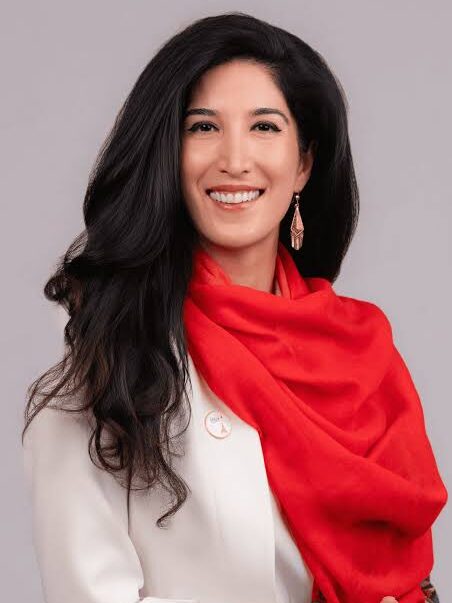
Over the past two years, the collaboration between GU-Q and ECo has evolved into a vibrant platform for advancing education, research and impact on pressing environmental challenges. Together, we are building high-impact, place-based academic and research programs that connect science, policy, and practice across regions and disciplines.
Our work emphasizes student exchanges and immersive field-based learning, empowering students to engage directly with environmental issues in diverse settings—from the deserts of Qatar to the coasts of Greece and the urban watersheds of Indonesia.
Through these initiatives, we aim to provide thought leadership on priority and emerging topics, foster strategic collaborations with local and global partners, and strengthen the connection between Doha and Washington DC, while also expanding Georgetown’s global environmental reach to strategic sites in Greece and Indonesia.
This collaboration also serves as a convening space for dialogue, thought leadership, and interdisciplinary exploration, bringing together scholars, practitioners, and policymakers to envision and shape a more sustainable future in the Gulf and globally.
—Dr. Raha Hakimdavar, Senior Advisor to the Deans of GU-Q and Earth Commons
Academics
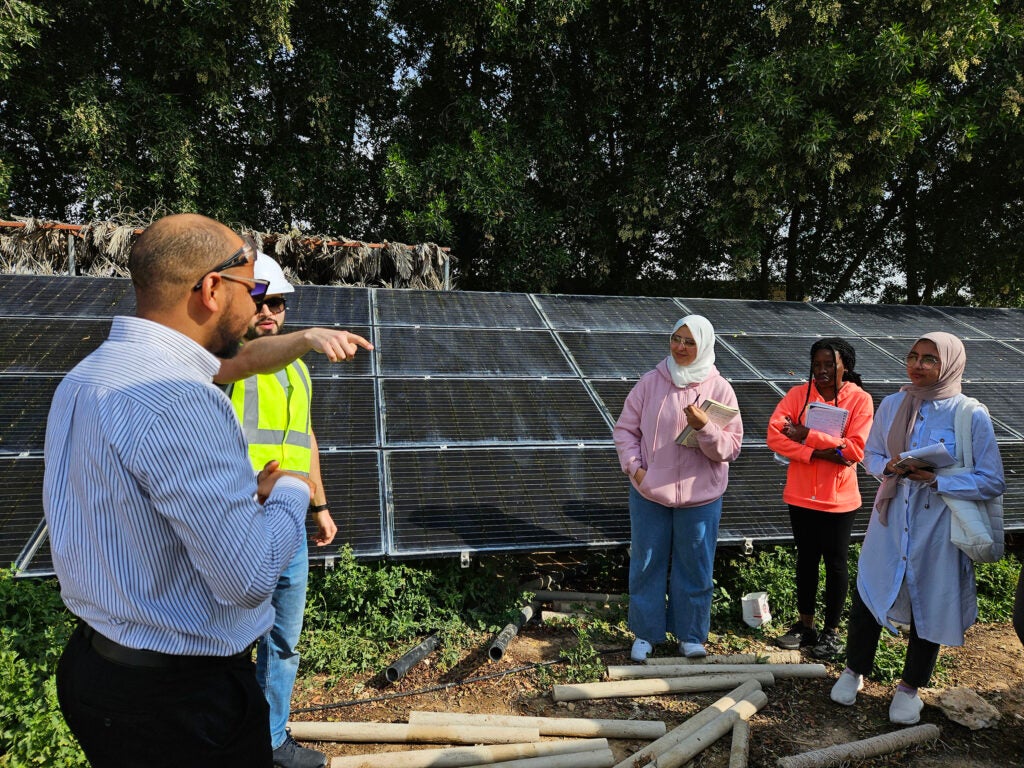
Qatar’s Sustainability
Water, Climate, and Urban Ecology immersed students in a week-long exploration of green projects in Qatar.
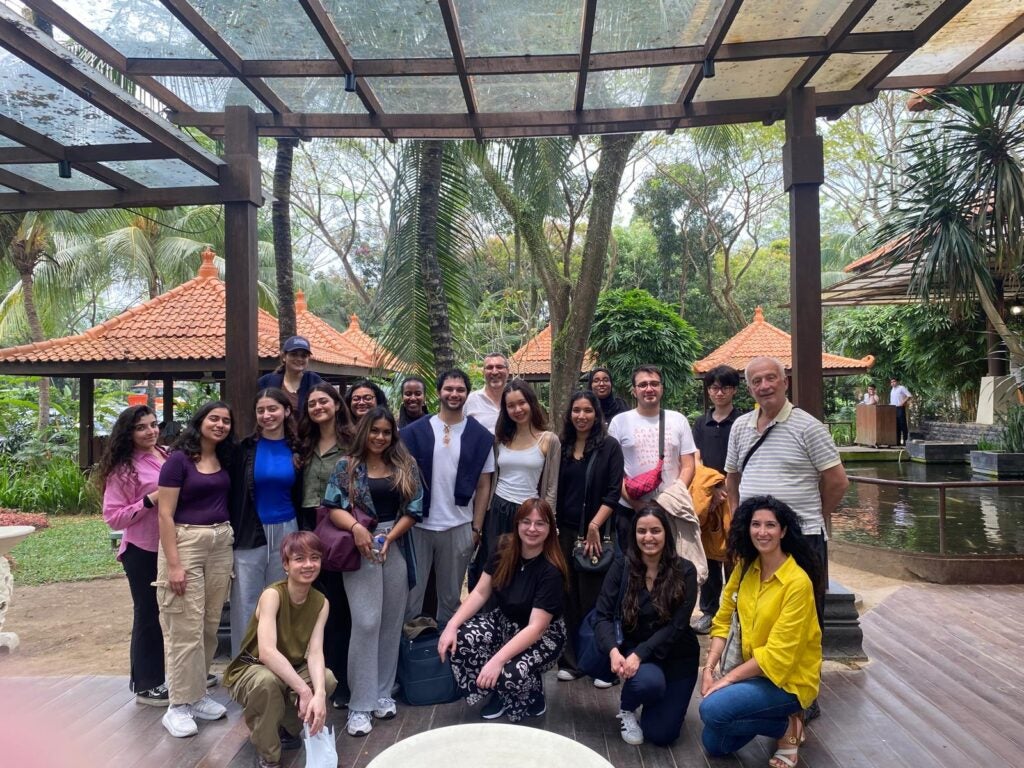
Indonesia’s Environment
Empire and Environment combined classroom learning about the environmental impact of colonial-era policies with a trip to Jakarta.
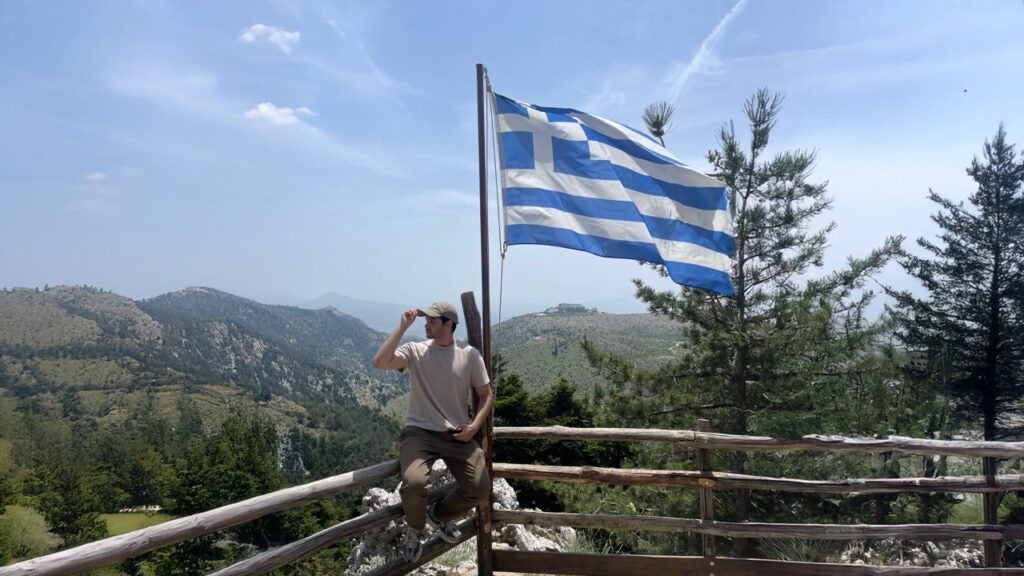
Greece Summer Symposium
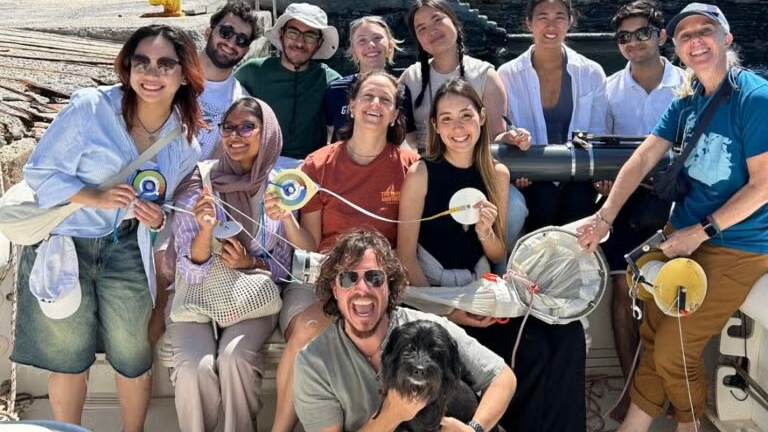
Co-designed by Raha Hakimdavar, this immersive summer experience takes students to Greece to learn about climate change on the ground, practice communicating the effects of these changes, and develop policy and economic recommendations based in environmental science and the principles of sustainability.
Adaptation in a Climate Change Hotspot
“Interacting with the locals was the highlight of our trip. Their stories and experiences enriched my understanding of how climate change impacts different regions.” — Iman Nait Chalal, Class of 2026.
Sensing Climate Impacts from Space
“My biggest takeaway is that the solution to the climate crisis does not lie in technology but human beings.” —Tuan Nguyen, Class of 2028.
Fellowships
Through Earth Commons, students have deeply engaged with topics at the intersection of science, health, and policy.
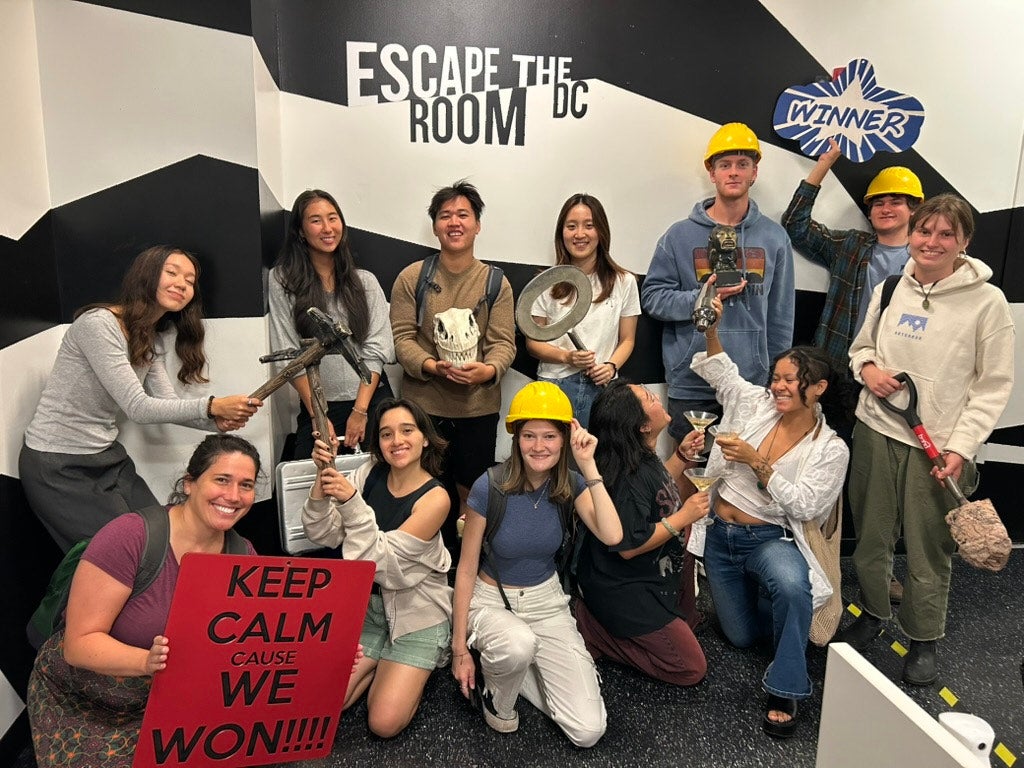
Amira Zhanat (top left) with other Environmental Science Policy Fellows in DC
Environmental Policy Fellow
Amira Zhanat, Class of 2027, took part in the inaugural cohort of ECo’s Environmental Science Policy Fellowship, spending a year on the Capitol Campus in Washington, DC.
Ecological Belonging Fellows
Students Lo’ay Ramadan, Amira Zhanat, Sara Guessous, and Aras Karlidag, were selected as Ecological Belonging Fellows—participating in the Hearth Summit in Slovenia.
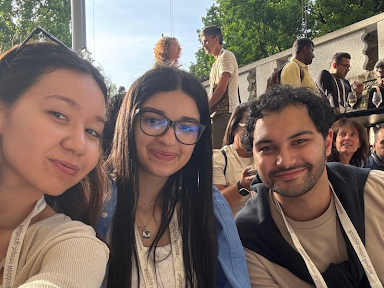
Ecological Belonging Fellows Amira, Sara, and Lo’ay at The Hearth Summit, Slovenia
Research
Assembling a team of interdisciplinary experts, researchers, leaders, and students, the Earth Commons is transforming the university into a living laboratory to develop scalable solutions for a greener, more sustainable world.
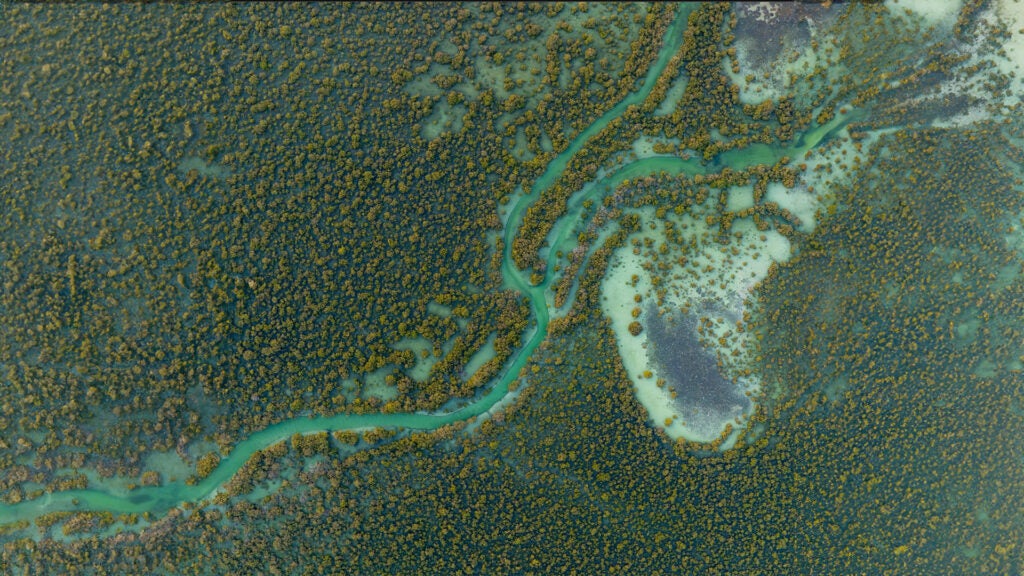
Qatar Mangrove Restoration
The Mangrove and Habitat Suitability Mapping Project, developed in partnership with Earthna, uses advanced Earth observation and spatial modeling to assess and monitor coastal ecosystem health across Qatar. The initiative aims to guide nature-based restoration and conservation planning by identifying priority areas for mangrove protection, regeneration, and blue carbon enhancement.
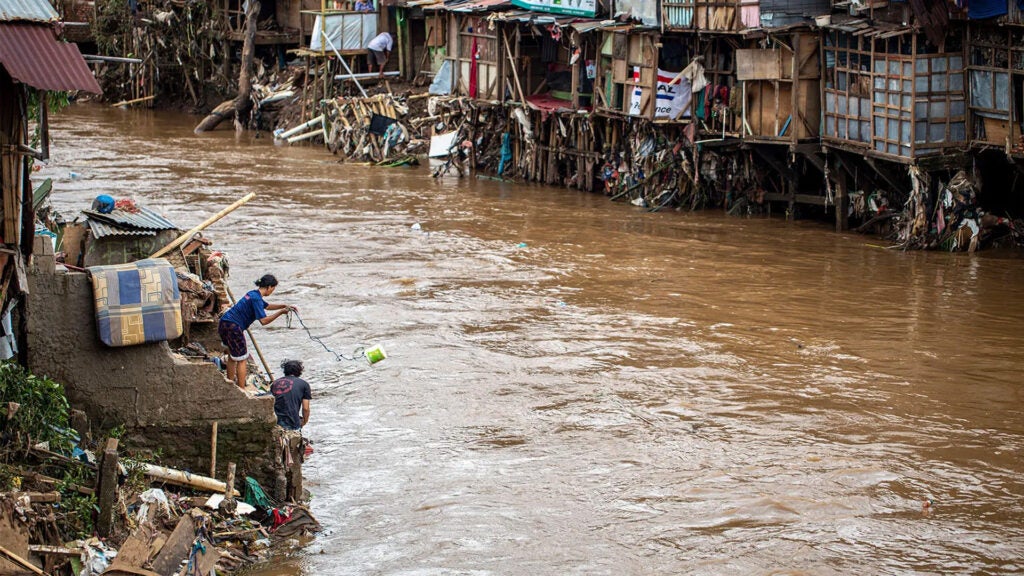
Jakarta Flooding Challenges
The Jakarta Flood Management Project is a city-funded initiative to develop an integrated, data-driven system for understanding and reducing flood risk across the capital. Led by Georgetown University’s School of Foreign Service in Indonesia, with technical collaboration from the Bandung Institute of Technology (ITB), the project’s hydrological research is directed by Dr. Raha Hakimdavar, who serves as Lead Hydrologist.
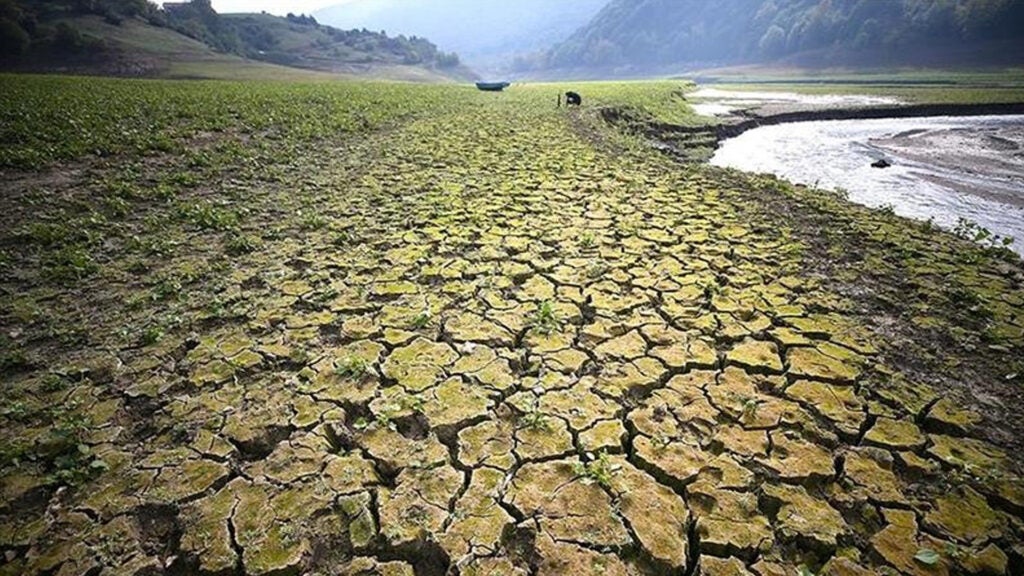
Aegean Water Scarcity
The Aegean Islands Water Scarcity Research Project examines how climate change, tourism, and land-use pressures are affecting freshwater availability across the Cycladic islands. Through field surveys, hydrological modeling, and policy analysis, the project aims to co-design sustainable water management strategies that balance environmental resilience with economic and community needs.
Student Research Highlights
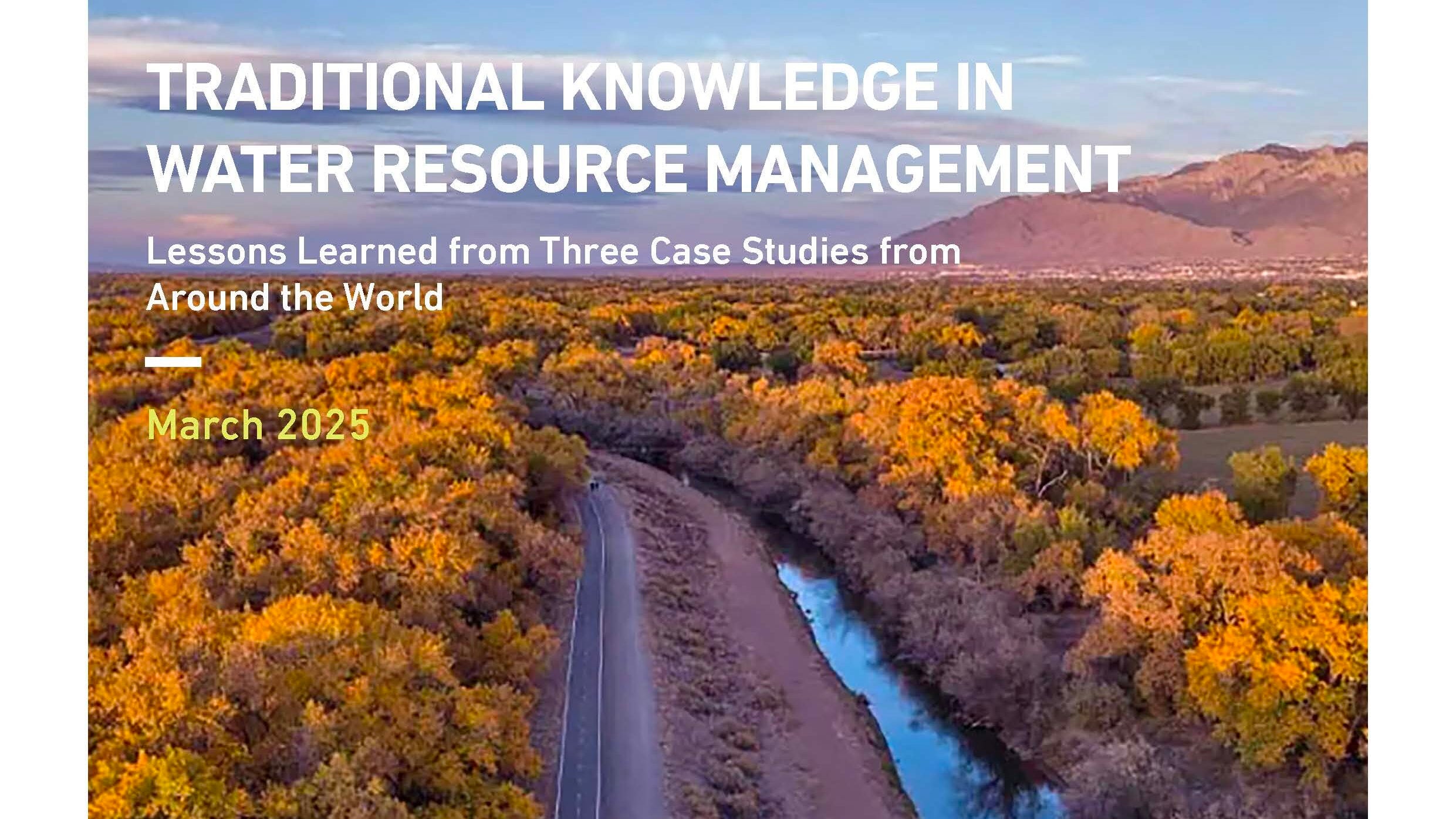
Co-Authored Report
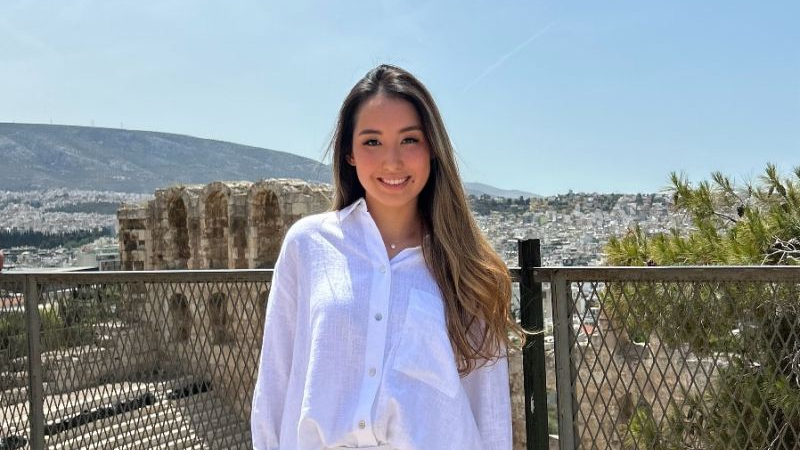
Shahd E’nizah, Class of 2026, co-authored a 2025 publication with Earthna, Qatar Foundation’s sustainability research institution titled “Traditional Knowledge in Water Resource Management.”
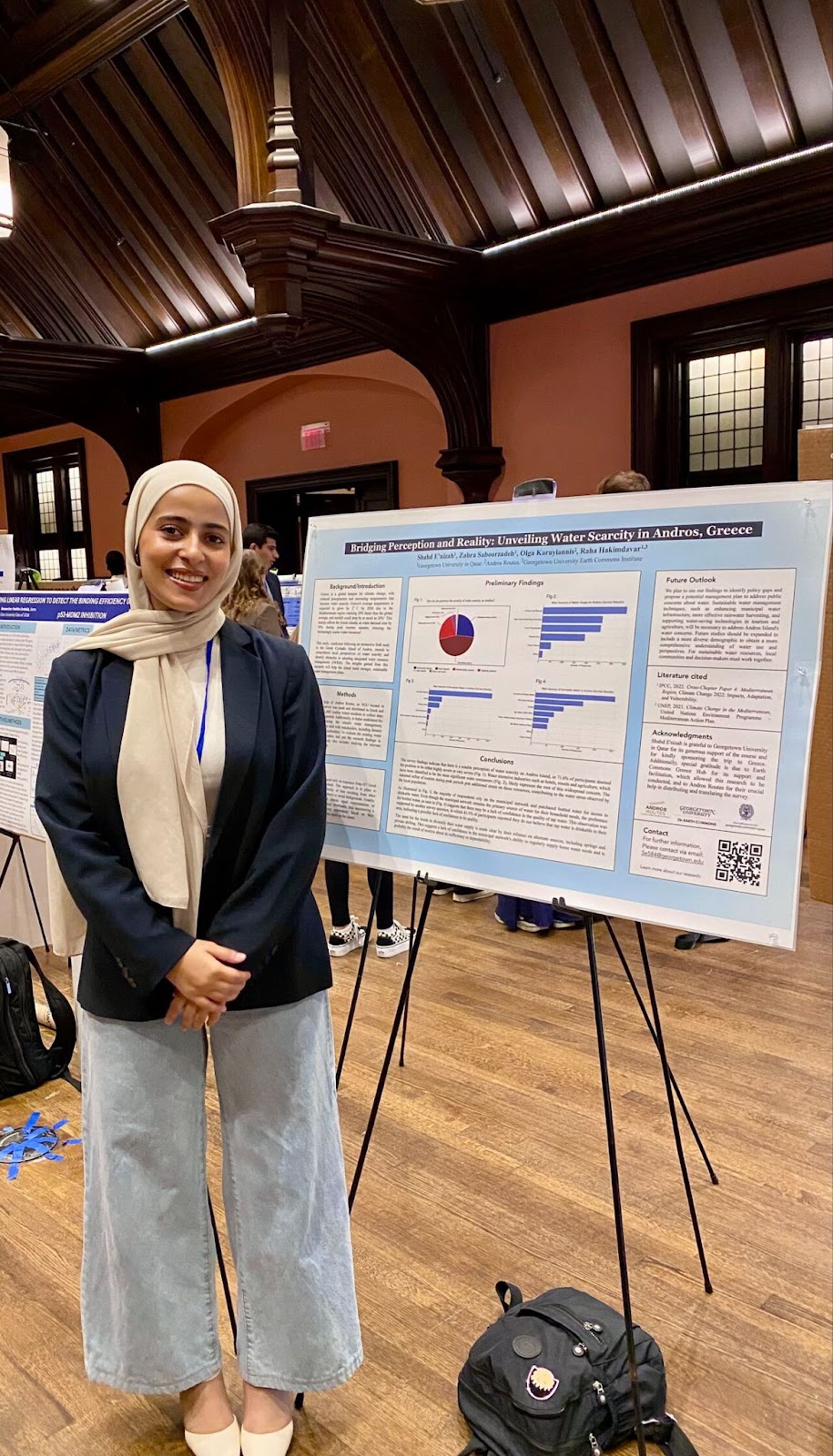
Conference Presentation
Shahd E’nizah presented her case study on water scarcity, co-authored with Zahra Saboorzadeh, at the University of Pennsylvania’s National Research Conference.
Food Security Research
Greece Summer Symposium alumni Raikhan Primbetova, Class of 2027 and Ulukbek Kaziyev, Class of 2025, contributed to HBKU research on food security and water use in the Gulf under the mentorship of Dr. Hakimdivar.
Thought Leadership
Sustaining the Oasis Highlights Video
“Sustaining the Oasis: Envisioning the Future of Water Security in the Gulf”
This conference, featuring keynote speaker Malcolm Gladwell, along with scientists, scholars, and policymakers charted a path towards sustainable water security in the region that meets both human and ecological needs.
Water Is the New Oil in the Gulf
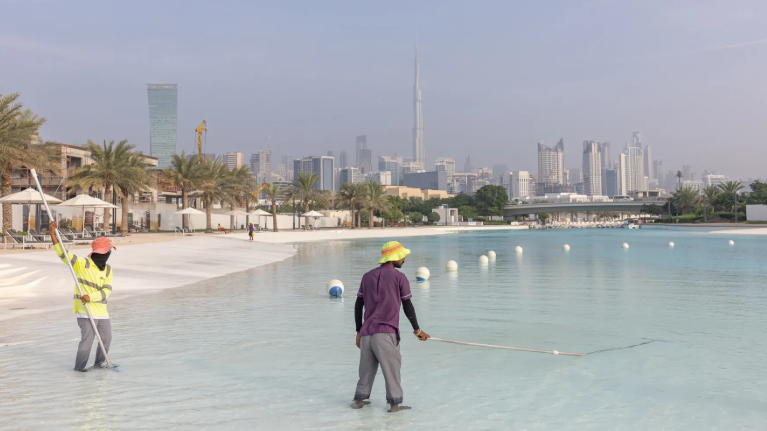
In this Op-Ed for Time Magazine, Raha Hakimdavar discusses water in the Gulf, the environmental impact of wide-scale desalination, and offers a roadmap to tackling water scarcity in the region.
One Year of Impact in Qatar
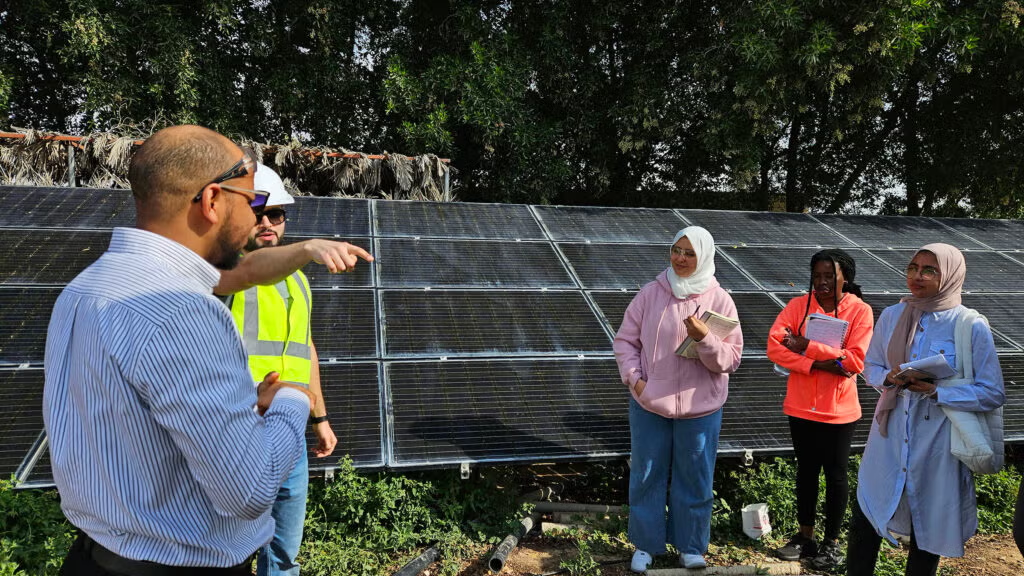
Learn how Earth Commons is having an impact on Qatar and the region through the leadership of Raha Hakimdavar, Senior Advisor to the Deans of Earth Commons and GU-Q.
COP 28 Participation
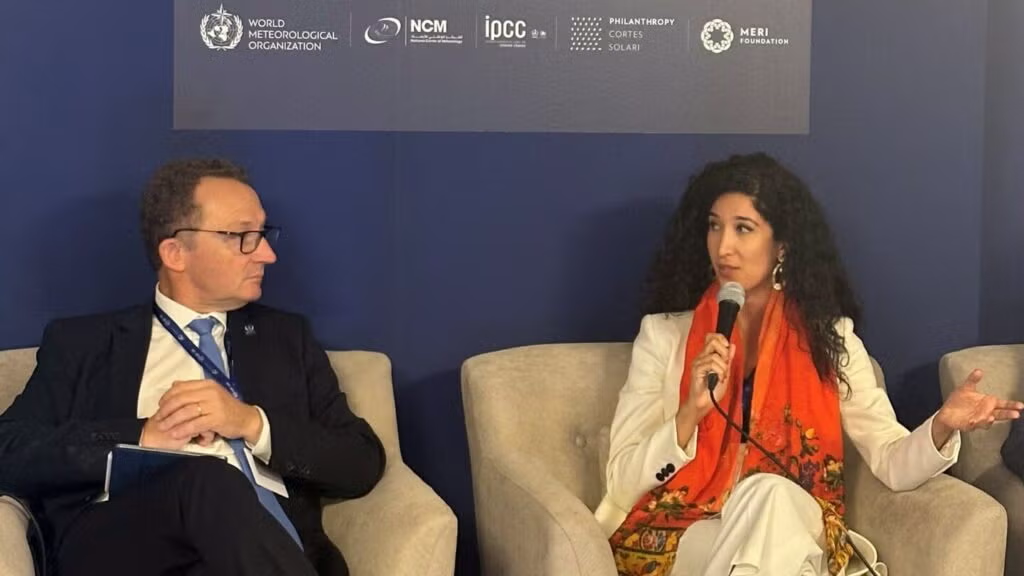
From student youth advocates to faculty thought leadership, to sending a student delegation, GU-Q played an important role in the 28th United Nations Climate Change Conference.
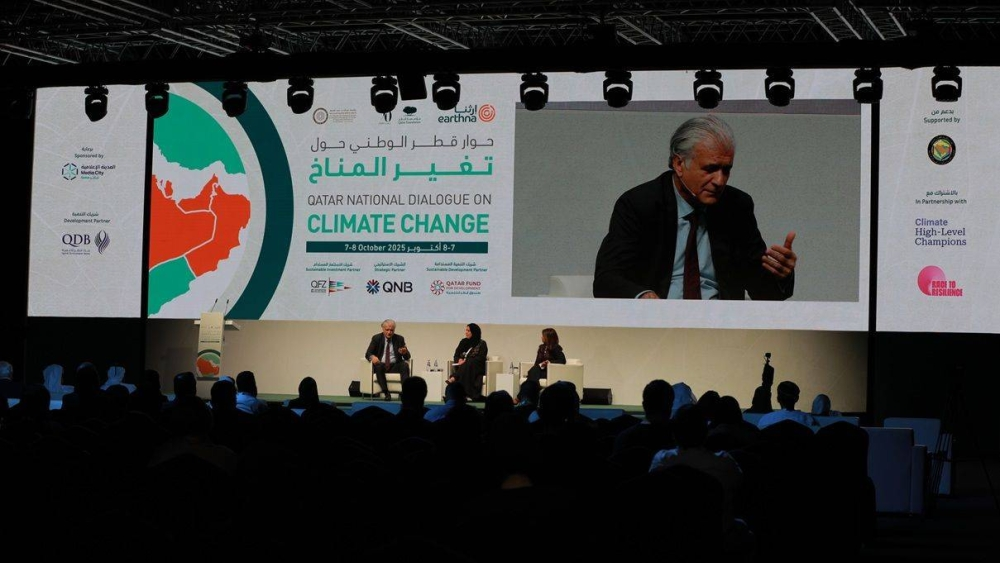
Qatar National Dialogue on Climate Change
As a university partner, GU-Q played a central role in providing thought leadership for this event cosponsored by Earthna and the Al-Attiyyah Foundation.