

From Mosque to Home: Discovering the Hidden Wonders of Islamic Architecture, Design, and Artisanship
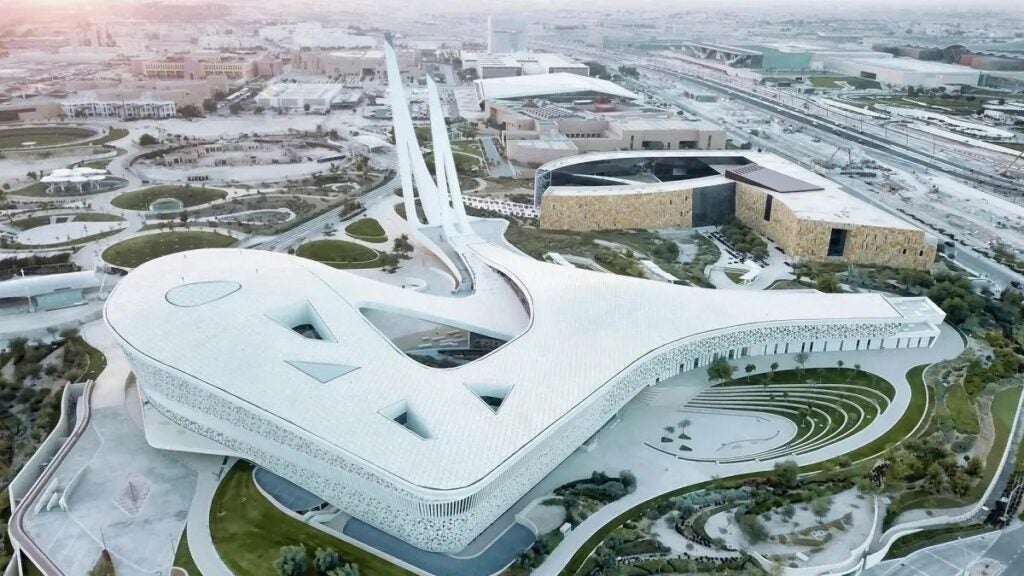
Throughout centuries, the human search for divinity has assumed different forms, from holy scriptures to poetry and art, finding its most tangible shape in architecture. Islamic architecture is a particularly vivid example of the effort to create sacred spaces inspiring deeper prayer while also appreciating material creation.
These architectural aspirations were the subject of a recent lecture, “The Invisible Language of Islamic Architecture,” delivered by Dr. Marwa Abdelmonem, an interior design adjunct faculty member at Virginia Commonwealth University Arts Qatar, as a part of GU-Q’s Culture and Politics Seminar Series.
Rigorously abstract in artistic representation, Islamic design has developed an invisible vocabulary of profound symbolism—one that expresses ideas of the divine, as opposed to devotional, narratives. Through an intricate alliance of geometry, symmetry, calligraphy, and arabesque patterns, Islamic design aims to reach deepest spirituality and remain rooted in earthly reality. Dr. Marwa, who spoke to students enrolled in a first-year writing course instructed by Professor Magda Rostron, focused on this unique feature of Islamic design, explaining how it incorporated natural elements – water, light, and plant life – to build spaces for both physical and inner comfort, with that sense of calm and privacy indispensable for religious contemplation.
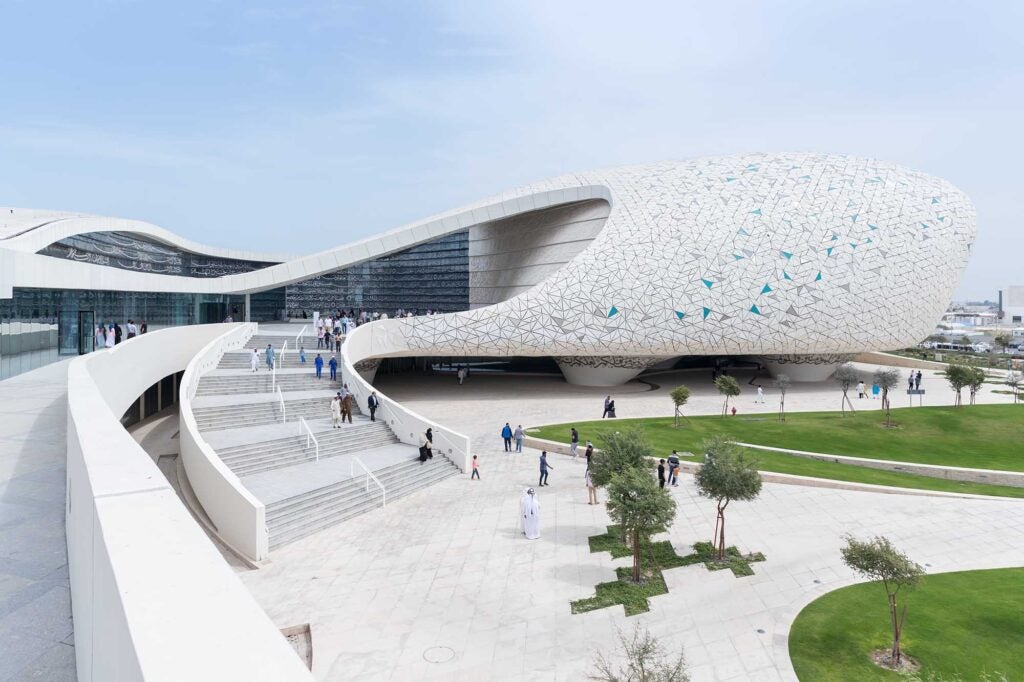
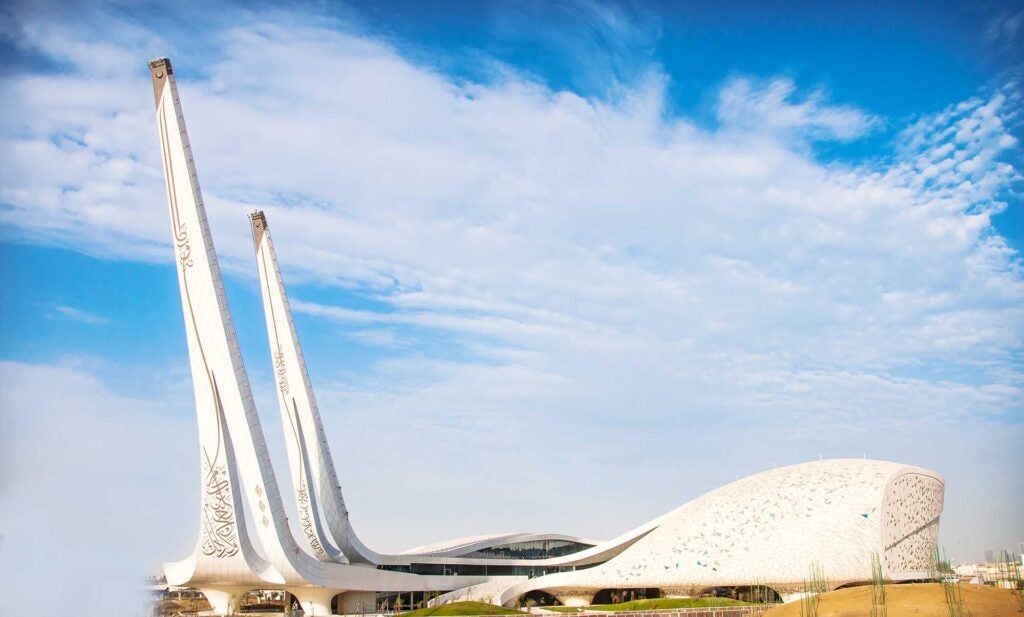
While the mosque provides sanctuary for the soul, it is the home that provides sanctuary for the body. To that end, one marvel of vernacular architecture, Doha’s century-old Al-Khater House, located about a 90-second walk from GU-Q’s main entrance, underscores this point.
Hiding in plain sight against the backdrop of the ultra-modern multiverse of Education City, is this almost imperceptible and easily missed home: low rise, hidden in a mass of lush vegetation, built of limestone, gypsum, and mud mortar. The house was donated by the Al-Khater family and lovingly renovated by Qatar Foundation, whose Herfah program instructs creators and students how to preserve long-established but nearly-forgotten Qatari artisanal handicrafts: woodwork, ceramics, tiling, and textiles.
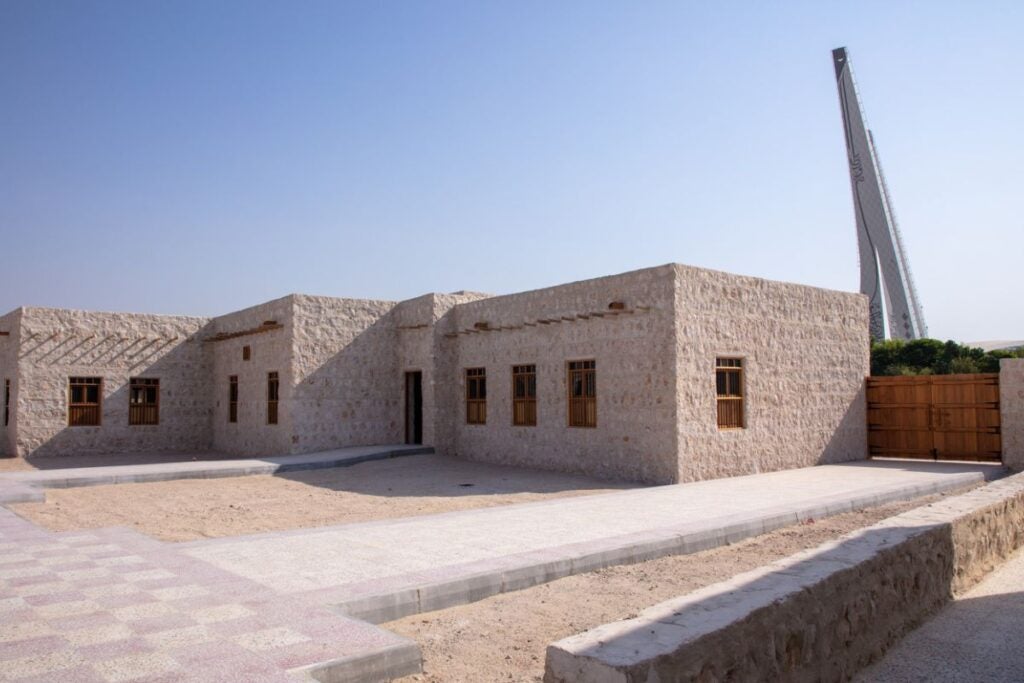
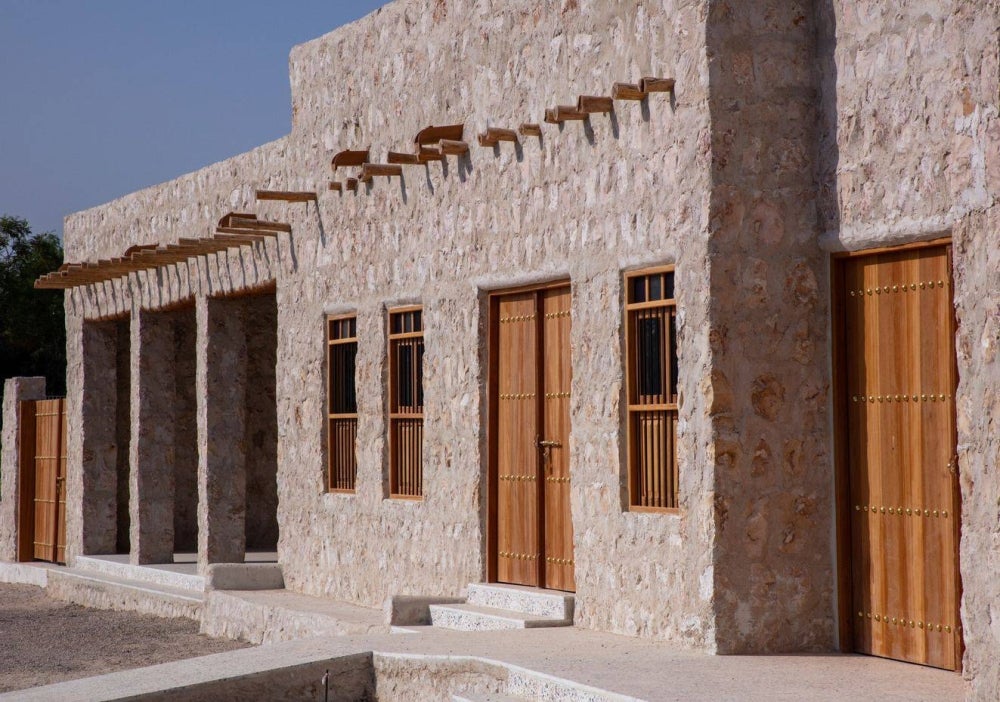
About Herfah Al Khater house: https://educationcity.qa/herfah-al-khater-house
The classes instructed at Al-Khater House have gained enthusiastic followers; so much so, in fact, that the Herfah program has now initiated a joint project with Professor Rostron’s students, who will collaboratively write a promotional book about the unique background of and activities conducted at Al-Khater House.