

GU-Q Set to Shape the Intellectual Contribution of Lusail Museums
Although not scheduled to open until 2029, the Lusail Museum is already shaping global conversations. Set to house the largest collection of Orientalist art in the world, the museum has begun activating its intellectual life by drawing on Georgetown University in Qatar’s scholarly expertise and leadership at the intersection of culture and politics. At the opening event for the “Lusail Museums Conversations” series hosted by GU-Q, the university announced its close collaboration with the Museum to both shape the lecture series and establish the museum’s research arm: Lusail Institute.
The first season of series, titled “The Late Ottoman World: At the Roots of the Modern Middle East,” will run through April 2026 and feature five in-depth lectures by leading international scholars. The series revisits the late Ottoman period as a moment of profound cultural experimentation, examining 19th-century debates around power, art, identity, and representation that continue to shape the modern Middle East.
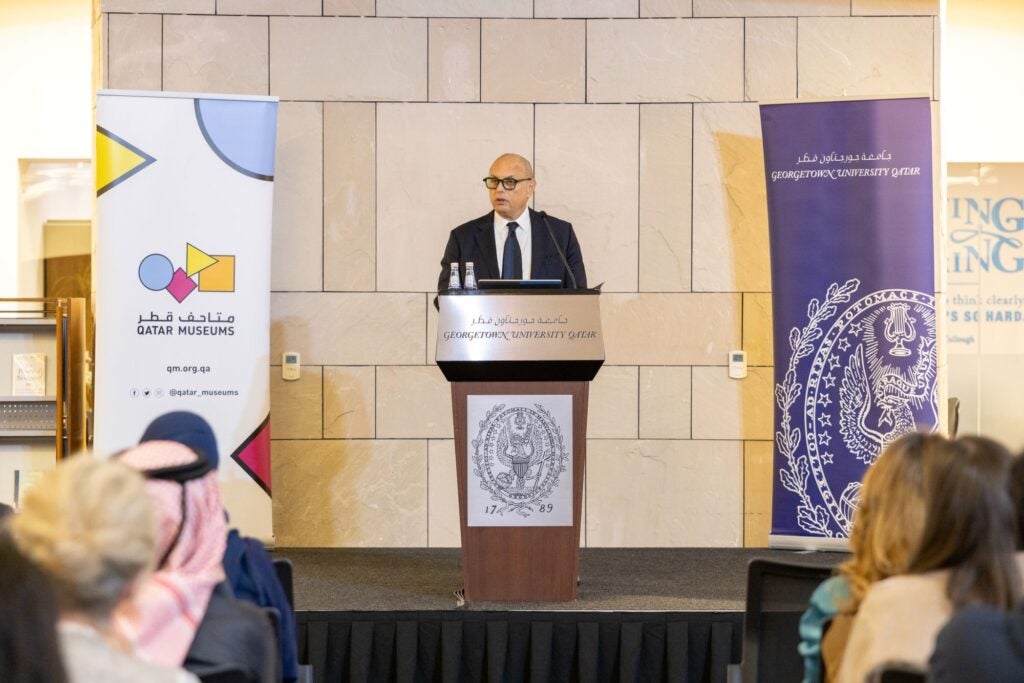
Dean Safwan Masri underscored the broader significance of the collaboration. “The series is designed as a space for serious scholarship and public dialogue,” he said. “It invites us to look carefully at moments of transition—to understand how societies respond when inherited structures no longer suffice, and new possibilities begin to emerge.” He added that the Conversations offer an early expression of the Lusail Museum’s vision, activating its intellectual life long before its doors open.
The initiative is curated by Professor Alain Fouad George, Director of the Lusail Institute, and I.M. Pei Professor of Islamic Art and Architecture at the University of Oxford.
Professor George also has been serving as Distinguished Scholar-in-Residence at GU-Q, where he is cultivating what he describes as the Institute’s most significant academic partnership. Established by Qatar Museums under the leadership of Her Excellency Sheikha Al Mayassa bint Hamad Al Thani, the Institute aims to become an advanced research centre designed to produce scholarship that both nourishes the museum and contributes to international academic discourse.
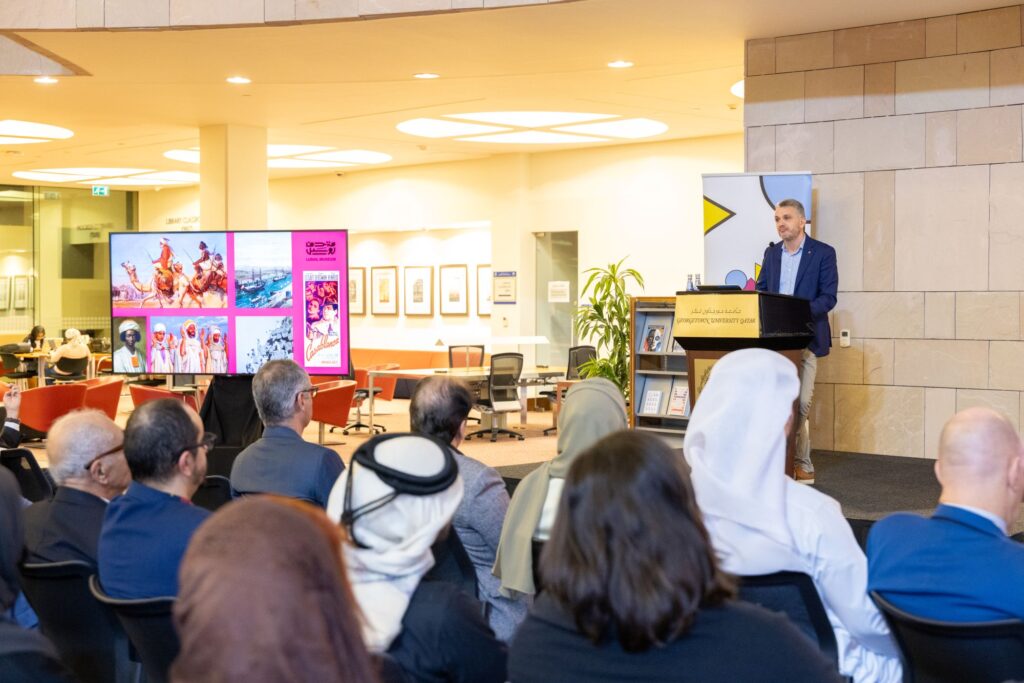
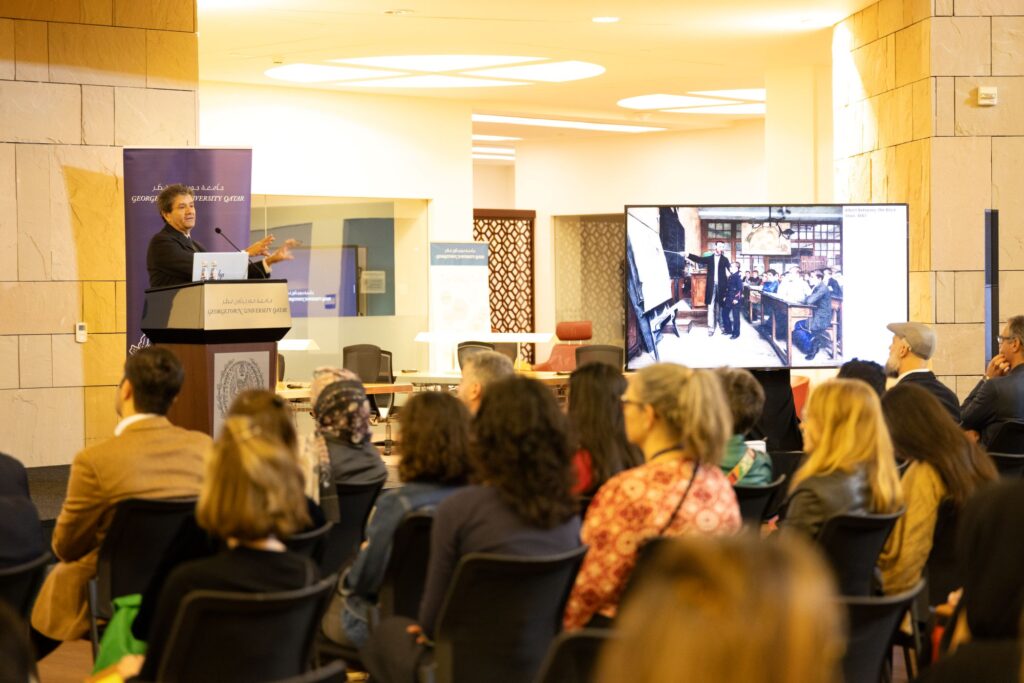
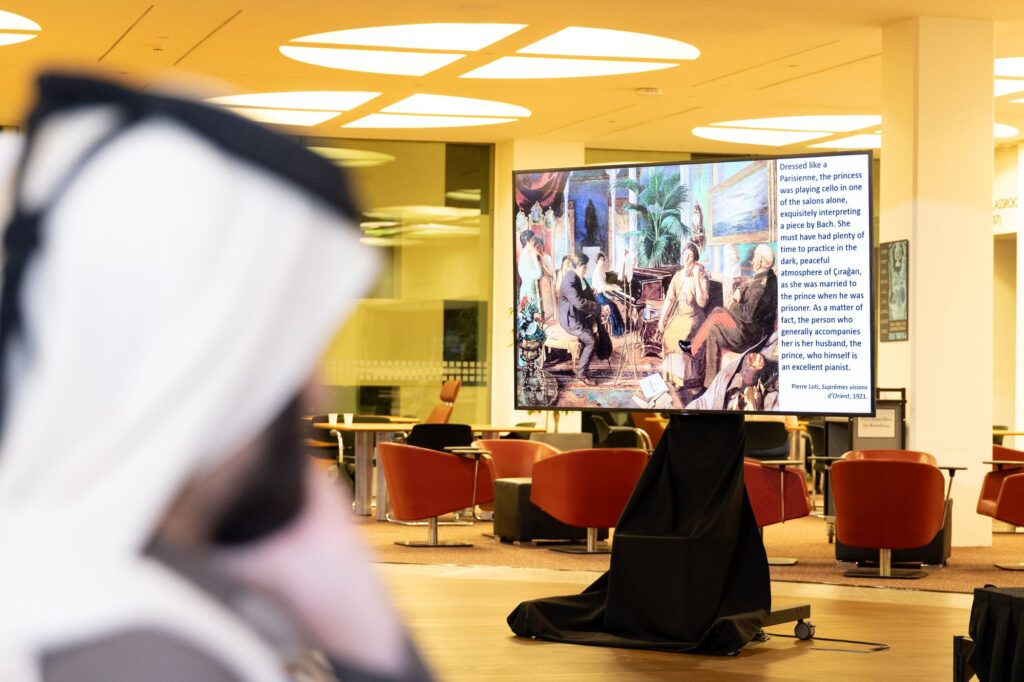
The inaugural lecture, “Princes, Patrons, and Painters: The Ottoman Palace and the Challenge of Modernity,” was delivered by historian Edhem Eldem of Columbia University. The lecture revealed how the artworks of Abdülmecid Efendi illuminate the contradictions of Ottoman modernization, showing how imperial figures used art to navigate public visibility, political change, and competing visions of modernity at the twilight of the empire.
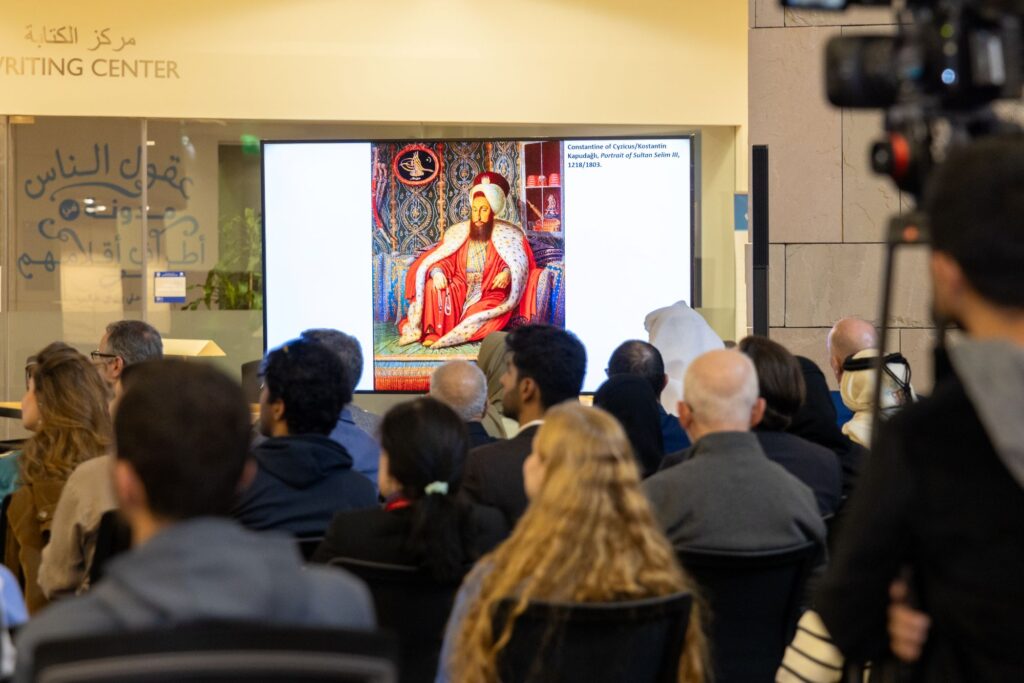
The next lecture, scheduled for January 27, will examine art, authority, and reform in 19th-century Tunis—continuing a series that affirms GU-Q’s role as a leading engine of intellectual production in Qatar.